
Why does one write about anything as silly and meaningless as an award show – especially the Golden Globe Awards – which are chosen by a bizarre group of international critics who have the collective credibility of, well – a blogger?
The correct answer is not – because you are a blogger.
Rather, it is the same answer I give my students and friends when they ask, Why does fill in name of a good or favorite actor do so many bad movies?
Answer: Look at all the choices available to them at the time. Which one do you think they should have picked?
In my case, I just can’t spend another week on The Republican Apprentice, Hils, the Bern or Grandpa Munster (Note: Oh please, you know who I mean).

I’m back!
Plus, our president has guns covered at the moment, there doesn’t seem much of a debate left on climate change and do you really need to read another 10 best/worst list of 2015 or a preview of your top choices or potential losses for 2016? No, you do not.
So here are my GG predictions. We’ll weigh in on Monday for a post mortem of the show. The commercials have host Ricky Gervais teasing us that he might make a celebrity cry. Don’t dress. And take that as seriously as any tease you encounter on television – or anywhere else for that matter.
BEST MOTION PICTURE – DRAMA
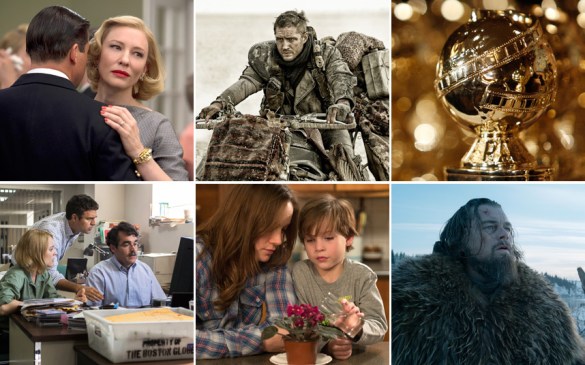
CAROL Number 9 Films; The Weinstein Company
MAD MAX: FURY ROAD Warner Bros. Pictures / Village Roadshow Pictures / Kennedy Miller Mitchell
THE REVENANT Regency Enterprises; Twentieth Century Fox
ROOM Element Pictures / No Trace Camping; A24
SPOTLIGHT Anonymous Content / Participant Media / First Look; Open Road Films
Winner: SPOTLIGHT
It’s got the heat, as they say. And it’s a really good film. CAROL is too rarified for this group, MAD MAX is too forward-thinking, THE REVENANT is too gross and ROOM is too small. If you are thinking a possible upset for your betting pool, remember this is an international consortium – so perhaps, REVENANT or MAD MAX. But, uh…no
BEST PERFORMANCE BY AN ACTRESS IN A MOTION PICTURE – DRAMA
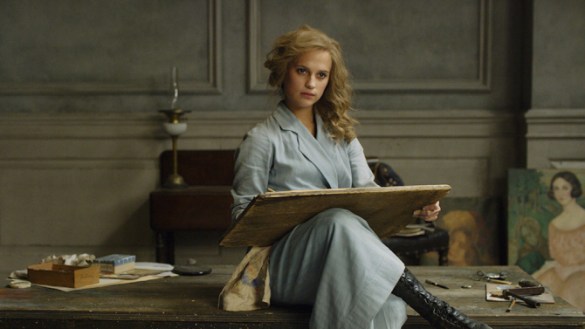
CATE BLANCHETT, Carol
BRIE LARSON, Room
ROONEY MARA, Carol
SAOIRSE RONAN, Brooklyn
ALICIA VIKANDER, The Danish Girl
Winner: ALICIA VIKANDER
This is one of the trickiest categories so don’t wager the house. Brie Larson should win and will probably be awarded the Oscar because it is likely Ms. Vikander will be put up for supporting actress. But given these nominations, the international appeal of THE DANISH GIRL should do it along with AV’s universal raves. The CAROL women will split. Possible spoiler is Saorise Ronan but that’s doubtful since the film is small and likely has not been seen by all the voters, “critics” though they may be.
BEST PERFORMANCE BY AN ACTOR IN A MOTION PICTURE – DRAMA

BRYAN CRANSTON, Trumbo
LEONARDO DICAPRIO, The Revenant
MICHAEL FASSBENDER, Steve Jobs
EDDIE REDMAYNE, The Danish Girl
WILL SMITH, Concussion
Winner: LEONARDO DICAPRIO
FYI, I think Bryan Cranston will win the Oscar. But again – international voting is a big element here and Mr. DiCaprio seldom, if ever, wins awards. The true winner should be Michael Fassbinder who couldn’t grunt, bleed, accent or costume his way through the nearly impossible role of a somewhat unlikeable icon. But that won’t happen. Nor will Mr. Smith go to the stage.
BEST MOTION PICTURE – MUSICAL OR COMEDY

THE BIG SHORT Paramount Pictures / Regency Enterprises
JOY Fox 2000 Pictures; Twentieth Century Fox
THE MARTIAN Twentieth Century Fox
SPY Twentieth Century Fox
TRAINWRECK Universal Pictures / Apatow Productions
WINNER: THE MARTIAN
How much do you want to see Amy Schumer up there? Well, (NOTES SPOILER!) you’re going to have to wait for a category. And the true winner should be THE BIG SHORT. But I’m not entirely sure this group will go for the latter. The international market ADORES Ridley Scott and he’s another perennial non-winner. Not to mention, there are a group of critics who see the overly long, overly optimistic for humanity theme of THE MARTIAN irresistible. Well, no one can accuse we here at notes of any of that!
BEST PERFORMANCE BY AN ACTRESS IN A MOTION PICTURE – MUSICAL OR COMEDY
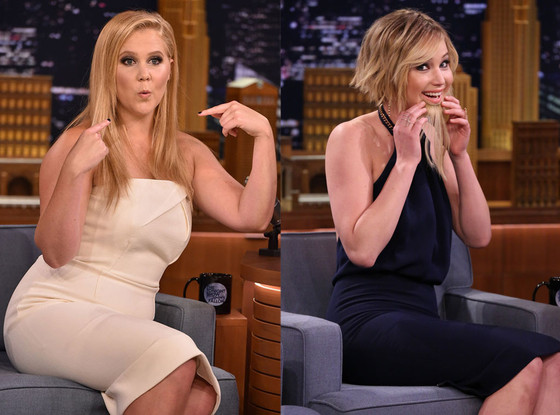
BFFs
JENNIFER LAWRENCE, Joy
MELISSA MCCARTHY, Spy
AMY SCHUMER, Trainwreck
MAGGIE SMITH, The Lady in the Van
LILY TOMLIN, Grandma
WINNER: AMY SCHUMER. And no, you didn’t read that wrong.
It’s a comedy and this group also likes to feel both hip and out-of-the-box from time to time. Not to mention – the Hollywood Foreign Press’ main source of revenue (meaning how they stay afloat) is the broadcast of this show (which means ratings).

Lest we forget who won big at the 2010 Globes!
Not to say Ms. Schumer doesn’t deserve best comic (and even musical!) performance by an actress this year. Though my vote would go to Lily Tomlin. Why? Because how often do we get the treat of seeing Lily Tomlin playing a snide lesbian…in the movies, that is?
BEST PERFORMANCE BY AN ACTOR IN A MOTION PICTURE – MUSICAL OR COMEDY
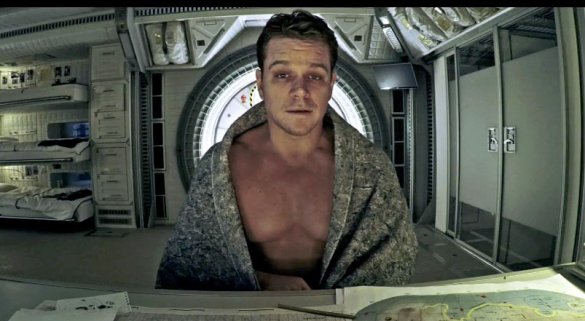
The world saves Matt Damon… again
CHRISTIAN BALE, The Big Short
STEVE CARELL, The Big Short
MATT DAMON, The Martian
AL PACINO, Danny Collins
MARK RUFFALO, Infinitely Polar Bear
WINNER: MATT DAMON
Sure, this feels ridiculous. Is ‘THE MARTIAN a comedy? As much as it’s a musical. Nevertheless, it’s Damon in a walk. My vote is for Bale or Carrell. Or Mark Ruffalo. Or Al Pacino, even though I haven’t seen that movie.
BEST MOTION PICTURE – ANIMATED

ANOMALISA Starburns Industries; Paramount Pictures
THE GOOD DINOSAUR Pixar Animation Studios; Walt Disney Studios Motion Pictures
INSIDE OUT Pixar Animation Studios; Walt Disney Studios Motion Pictures
THE PEANUTS MOVIE Blue Sky Studios; Twentieth Century Fox
SHAUN THE SHEEP MOVIE Aardman; Lionsgate / Studiocanal
WINNER: Um, INSIDE OUT. Seriously. (For my thoughts on the truly bizarre Anomalisa, check out last week’s post)
BEST MOTION PICTURE – FOREIGN LANGUAGE

#honesty
THE BRAND NEW TESTAMENT (BELGIUM / FRANCE / LUXEMBOURG)
THE CLUB (CHILE)
THE FENCER (FINLAND / GERMANY / ESTONIA)
MUSTANG (FRANCE)
SON OF SAUL (HUNGARY)
I have no business weighing in here since I haven’t seen any of the nominees. The talk is for SON OF SAUL. Few Hollywood groups or award contests can resist a Holocaust film.
BEST PERFORMANCE BY AN ACTRESS IN A SUPPORTING ROLE IN ANY MOTION PICTURE
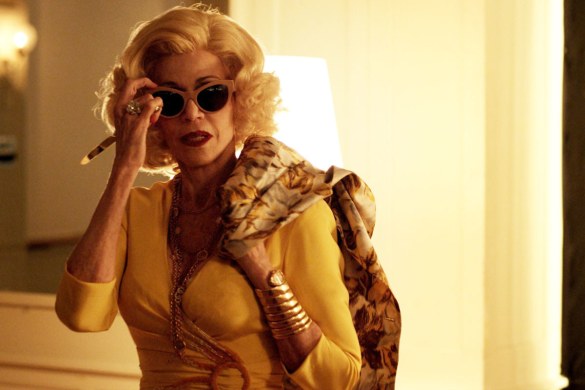
Whatever Chairy, you know I’m fabulous!
JANE FONDA, Youth
JENNIFER JASON LEIGH, The Hateful Eight
HELEN MIRREN, Trumbo
ALICIA VIKANDER, Ex Machina
KATE WINSLET, Steve Jobs
WINNER: JENNIFER JASON LEIGH
I gotta say Jennifer Jason Leigh even though THE HATEFUL EIGHT is the one big film this year I still haven’t seen. Why? It’s only early January. Why JJ Leigh? Because she should have won years ago for GEORGIA and I’m still annoyed. Look it up. #SadieFlood4Ever
BEST PERFORMANCE BY AN ACTOR IN A SUPPORTING ROLE IN ANY MOTION PICTURE

Not a knockout for Sly
PAUL DANO, Love & Mercy
IDRIS ELBA, Beasts of No Nation
MARK RYLANCE, Bridge of Spies
MICHAEL SHANNON, 99 Homes
SYLVESTER STALLONE, Creed
WINNER: MARK RYLANCE
Mark Rylance has the edge. Watching his performance is an acting master class in less is more. It should be required viewing for anyone serious about the craft.
BEST DIRECTOR – MOTION PICTURE

Le sigh
TODD HAYNES, Carol
ALEJANDRO G. IÑÁRRITU, The Revenant
TOM MCCARTHY, Spotlight
GEORGE MILLER, Mad Max: Fury Road
RIDLEY SCOTT, The Martian
WINNER: TODD HAYNES
This is one of the toughest categories. The winner SHOULD be Tom McCarthy for not showing off and telling a story in a compelling way without all the bells and whistles. But likely it’s between Todd Haynes and Ridley Scott. Hmmmmmm. Okay, it’s Todd Haynes. It’s just the kind of film that would feel arty to these voters.
BEST SCREENPLAY – MOTION PICTURE
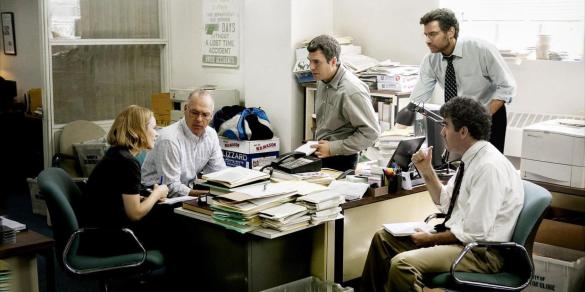
Is that my office? #hotmess
EMMA DONOGHUE, Room
TOM MCCARTHY, JOSH SINGER, Spotlight
CHARLES RANDOLPH, ADAM MCKAY, The Big Short
AARON SORKIN, Steve Jobs
QUENTIN TARANTINO, The Hateful Eight
WINNER: TOM MCCARTHY, JOSH SINGER, Spotlight
It’s hard to imagine they won’t win for making journalism heroic, dramatic and noble once again. The writers of THE BIG SHORT could be the spoilers here simply for originality. Though let’s not get carried away on that score.
BEST ORIGINAL SCORE – MOTION PICTURE

CARTER BURWELL, Carol
ALEXANDRE DESPLAT, The Danish Girl
ENNIO MORRICONE, The Hateful Eight
DANIEL PEMBERTON, Steve Jobs
RYUICHI SAKAMOTO, ALVA NOTO, The Revenant
WINNER: ENNIO MORRICONE but…
…really no one has ANY idea, including the members of the Foreign Press.
Is this the tie-breaker in your pool? Then go for Ennio Morricone. Otherwise, drink every time someone onstage says original.
BEST ORIGINAL SONG – MOTION PICTURE

Betting against the sentimental choice
“LOVE ME LIKE YOU DO” (Fifty Shades of Grey) Music & Lyrics by: Max Martin, Savan Kotecha, Ali Payami, Ilya Salmanzadeh
“ONE KIND OF LOVE” (Love & Mercy) Music & Lyrics by: Brian Wilson, Scott Bennett
“SEE YOU AGAIN” (Furious 7) Music & Lyrics by: Justin Franks, Andrew Cedar, Charlie Puth, Cameron Thomaz
“SIMPLE SONG #3” (Youth) Music & Lyrics by: David Lang
“WRITING’S ON THE WALL” (Spectre) Music & Lyrics by: Sam Smith, Jimmy Napes
WINNER: ONE KIND OF LOVE
Since the entire movie of YOUTH depends on and leads up to the performance of the haunting SIMPLE SONG #3, you’d think this was a lock. But I don’t believe this group can resist giving the much-loved Brian Wilson biopic, LOVE AND MERCY, some love. Or the much-admired Brian Wilson some long overdue awards attention.
BEST TELEVISION SERIES – DRAMA

EMPIRE (Fox)
GAME OF THRONES (HBO)
MR. ROBOT (USA Network)
NARCOS (Netflix)
OUTLANDER (Starz)
WINNER: MR. ROBOT
I’m going out on a limb here though it could easily be GAME OF THRONES. But the Foreign Press loves to be the FIRST to discover a show around awards time. I remember at the turn of the century when they SHOCKED the crowd on hand and at home and gave Fox’s PARTY OF FIVE best drama series. Again, look it up. As for MR. ROBOT – I’m in the middle of binge-watching it and I have to say I’m sort of hooked. Sort of? Huh?
BEST PERFORMANCE BY AN ACTRESS IN A TELEVISION SERIES – DRAMA
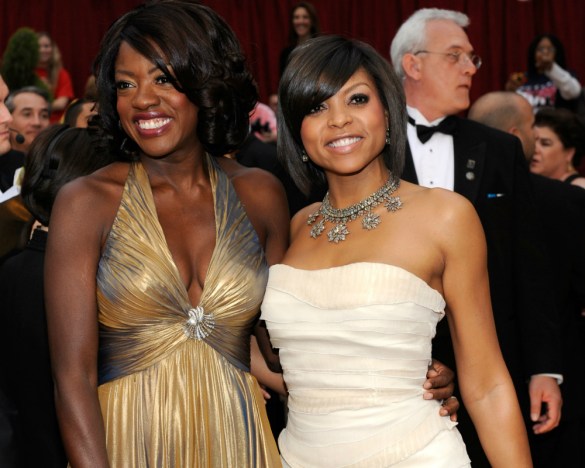
Friendly competition
CAITRIONA BALFE, Outlander
VIOLA DAVIS, How to Get Away with Murder
EVA GREEN, Penny Dreadful
TARAJI P. HENSON, Empire
ROBIN WRIGHT, House of Cards
WINNER: VIOLA DAVIS
Take it to the bank. She’s crazy good. Literally.
BEST PERFORMANCE BY AN ACTOR IN A TELEVISION SERIES – DRAMA

JON HAMM! JON HAMM! JON HAMM!
JON HAMM, Mad Men
RAMI MALEK, Mr. Robot
WAGNER MOURA, Narcos
BOB ODENKIRK, Better Call Saul
LIEV SCHREIBER, Ray Donovan
WINNER: JON HAMM
That’s the sound of me cheering.
BEST TELEVISION SERIES – MUSICAL OR COMEDY
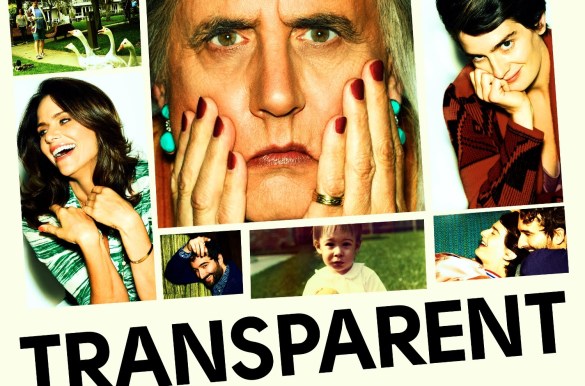
Still riveted
CASUAL (Hulu)
MOZART IN THE JUNGLE (Amazon)
ORANGE IS THE NEW BLACK (Netflix)
SILICON VALLEY (HBO)
TRANSPARENT (Amazon)
VEEP (HBO)
WINNER: TRANSPARENT
It’s the show of the moment. It just is. I suppose VEEP could sneak in it but it’s doubtful.
BEST PERFORMANCE BY AN ACTRESS IN A TELEVISION SERIES – MUSICAL OR COMEDY

You know you love me Chairy
RACHEL BLOOM, Crazy Ex-Girlfriend
JAMIE LEE CURTIS, Scream Queens
JULIA LOUIS-DREYFUS, Veep
GINA RODRIGUEZ, Jane the Virgin
LILY TOMLIN, Grace and Frankie
WINNER: JULIA LOUIS-DREYFUS
Has Julia Louis-Dreyfus ever lost an awards competition? Who does she know? Still, there is a slim chance for Gina Rodriguez. Yeah, the international factor again. But I’ve learned my lesson betting against the Walt Disney of comedy actresses. (Note: I didn’t really just write that, did I?)
BEST PERFORMANCE BY AN ACTOR IN A TELEVISION SERIES – MUSICAL OR COMEDY
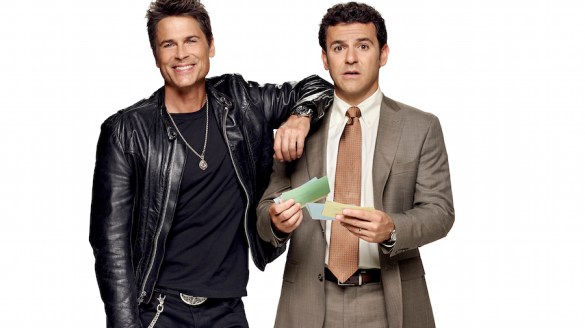
Is there a Globe for failure to age?
AZIZ ANSARI, Master of None
GAEL GARCÍA BERNAL, Mozart in the Jungle
ROB LOWE, The Grinder
PATRICK STEWART, Blunt Talk
JEFFREY TAMBOR, Transparent
WINNER: JEFFREY TAMBOR
The closest there is to a sure thing. A brilliant portrayal of a trans woman because he plays her very simply – as a person.
BEST TELEVISION LIMITED SERIES OR MOTION PICTURE MADE FOR TELEVISION

A winner dontcha know
AMERICAN CRIME (ABC)
AMERICAN HORROR STORY: HOTEL (FX)
FARGO (FX)
FLESH & BONE (Starz)
WOLF HALL (PBS)
WINNER: FARGO
It’s the most talked about drama this year. If one more person looks at me wide-eyed and says – What do you mean you don’t watch Fargo – you must! – I’M GONNA SCREAM. Ahhhhhhhhhh
BEST PERFORMANCE BY AN ACTRESS IN A LIMITED SERIES OR MOTION PICTURE MADE FOR TV
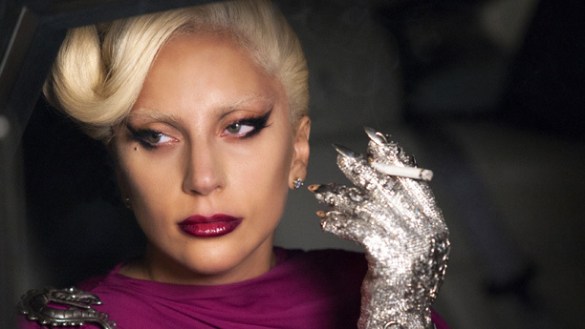
Oh Chairy, you betray me!!!
KIRSTEN DUNST, Fargo
LADY GAGA, American Horror Story: Hotel
SARAH HAY, Flesh & Bone
FELICITY HUFFMAN, American Crime
QUEEN LATIFAH, Bessie
WINNER: KIRSTEN DUNST….
….Because c’mon, you HAVE to watch FARGO. Then you’d understand. Though remember when she burst on the seen as a young girl in INTERVIEW WITH A VAMPIRE? I do. Again, look it up.
BEST PERFORMANCE BY AN ACTOR IN A LIMITED SERIES OR MOTION PICTURE MADE FOR TV
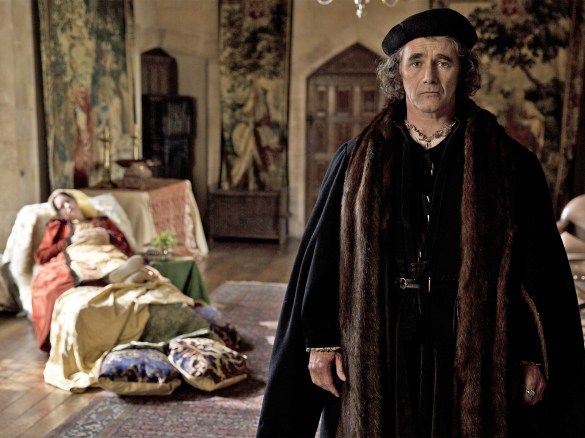
IDRIS ELBA, Luther
OSCAR ISAAC, Show Me a Hero
DAVID OYELOWO, Nightingale
MARK RYLANCE, Wolf Hall
PATRICK WILSON, Fargo
WINNER: MARK RYLANCE
Because FARGO has to lose in some category and Mr. Rylance is that good in everything he does.
BEST PERFORMANCE BY AN ACTRESS IN A SUPPORTING ROLE IN A SERIES, LIMITED SERIES OR MOTION PICTURE MADE FOR TELEVISION

You crazy, Chairy??
UZO ADUBA, Orange is the New Black
JOANNE FROGGATT, Downton Abbey
REGINA KING, American Crime
JUDITH LIGHT, Transparent
MAURA TIERNEY, The Affair
WINNER: JOANNE FROGGATT
How do you not give DOWNTON ABBEY something? Talk about international appeal. Not to mention – it’s Anna.
BEST PERFORMANCE BY AN ACTOR IN A SUPPORTING ROLE IN A SERIES, LIMITED SERIES OR MOTION PICTURE MADE FOR TELEVISION

What about my comeback?
ALAN CUMMING, The Good Wife
DAMIAN LEWIS, Wolf Hall
BEN MENDELSOHN, Bloodline
TOBIAS MENZIES, Outlander
CHRISTIAN SLATER, Mr. Robot
WINNER: BEN MENDELSOHN
I actually saw all of Bloodline. If there ever were an award-winning type of role, Mr. Mendelsohn had it – and delivered. The others will have to make do being in his company this year.
OKAY – SEE YOU ONLINE where I’ll be live tweeting at: @NOTESFROMACHAIR. Tune in!!!
Tweets by @notesfromachair





 notes from a chair