
If there were a sheet of paper you could take a peek at that would tell you the future, what would you do? Oh, of course you’d take a peek. You couldn’t help yourself. Don’t say you wouldn’t. You would.
The future is on the minds of college students at this time of year – the end of a semester – especially those about to graduate. Smart or lazy (which is the opposite of smart), mellow or tightly wound, they often wonder one basic question – WHAT. WILL. BECOME. OF. ME??????
Of course, this is a question many of us all ask ourselves periodically – as if a single answer exists or one answer would ever be adequate. We don’t know what the years will bring and, aside from being scary, that’s the great thing about it. Literally anything can and will happen – and often hanging on the slightest moment. Which is what makes the future something not to dread but to embrace. Especially since there is no way to forestall getting some horrible disease or being hit dead by a drunk driver if you happen to be walking or even standing in the wrong place at the right time. Yes, I went there.
Since life is a big question mark in general, one’s career and creative existence should certainly follow suit. Yet many of us, myself included, often don’t see it this way. We act as though there should be some guarantees – or that we are at least owed or entitled to them. Something along the lines of Apple Care in case things go terribly wrong.
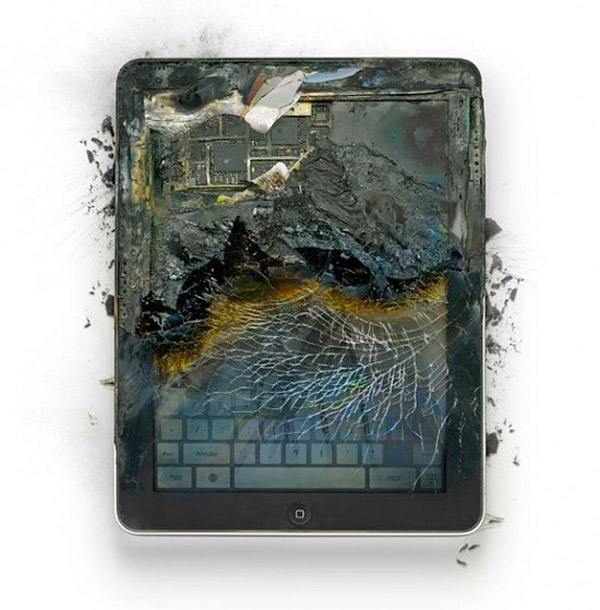
And then some things are beyond Apple Care
Students are terrified to take the wrong step, accept the wrong opportunity, write about the wrong thing – not make the wisest choice that will get them the farthest. I suffered from this myself until I grew weary of worrying and, well, just got too mature (old?) to spend as much time worrying anymore. I mean, at some point, if you’re very lucky, you get to the place where the amount of time ahead of you is less than the amount of time behind you – and you realize – there is no point in beating myself or anyone else up about the small stuff. There is only time to embrace the future and the unknowns – both good and bad – that it holds.
And yet – who doesn’t worry? These students, me, you, our friends? One dear diehard movie fan friend of mine truly worries if The Wolf on Wall Street will live up to the hype, and even fears backlash against the already award-winning American Hustle. Personally, I just don’t want to be disappointed by Saving Mr. Banks even though I know it can’t live up to the expectations of this lifelong Mary Poppins fan (yes, I did sit with my Dad at the movies in the Bronx as a little boy, riveted to the screen as I watched MP in wonderment, and then went home and played the record over and over again in my room as I sang along to every song – get over it!!!).

I’m counting on you Tommy!
I’m also concerned for Jon Hamm not ever winning an Emmy award for being Mad Men’s Don Draper (and not even being nominated for a Golden Globe this past week). Truly. Not in the same fashion I fear a loved one of mine could get a cancer recurrence or that I myself will have to one day go through the tooth extraction I managed to dodge last week when only a mere root canal and crown were in order. Of course, there are even far deeper levels of concern. We are only beginning to scratch my surface here. No use continuing on into a downward dog from which I can’t guarantee we will ever emerge – especially in L.A.
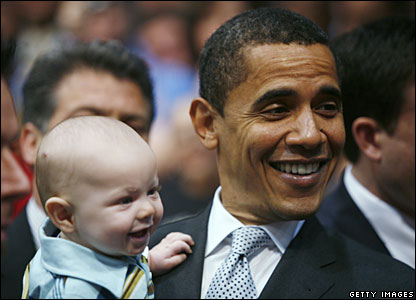
Still – and to look on the bright side – I (and hopefully you) don’t worry anymore that Pres. Obama will be shot or that either Michelle Bachmann or Sarah Palin will assume any real leadership role in our country’s foreseeable future. Those ships have sailed. Though do not take this to mean I am not also sure that the world has gone crazy and that one day I will be only one of the handful of sane people engaged in pubic discourse left standing…and that, quite quickly, I will become overrun. Long ago I realized there is a difference between worrying about the future and simply accepting a certain fatalism in life.
I attempted to explain a toned down version of all of this recently to one angst-ridden student in my office. This young person is non-white and couldn’t help but fear racial discrimination in the future from the Hollywood establishment based on some dealings they had observed in various workplaces over the past four months. I listened. Nothing exactly solid had happened but enough had occurred not to be discounted. To boil it all down, this student’s question eventually became this: How does one avoid being treated as “the other” when, in some people’s minds, one is, and will always be, the other? Or, to put it another way – An Outsider?

Not just a kitschy SJP 80s sitcom
Hmmm. Excellent question. And certainly one for the ages. Especially our ages.
I tried to take the adult line and explain that progress in these areas happen at a snail’s pace but, eventually, does occur for the better. And that you can’t worry about stuff that can happen, only deal with things as they do happen.
For instance, I argued, as a young gay man I couldn’t even conceive of a future with gay marriage. I mean, there wasn’t even a word for what is occurring now in the not so distant era I grew up in. Also, the fact that I, a teacher, could even be open with a student about my life in this way these days was certainly progress. But then I remembered and shared what happened more than 25 years ago on a movie I worked on in the late eighties. And, as we know, movie stories are so much more resonant to people than any real life experience or observation.
I was employed as a publicist on a film that was produced by a very large company headed by a very-well known producer in Hollywood – someone who is still quite well known and who very publicly campaigned for and supported the then very conservative U.S. Pres. Ronald Reagan. The production coordinator of this movie, a Mercedes-driving middle-aged woman who came to work each day wearing very expensive jewelry and an extremely superior attitude – saw me in the office one Monday with a tan and personage that, I can only assume, was reeking of homosexuality. Because looking at my tan and somehow knowing that the Annual Gay Pride Parade had been held outside the day before in the very hot West Hollywood sun, I caught this woman snidely winking at her friend and then nodding in my direction, as she bellowed from her desk across the room, sweet as pie but in a somewhat accusatory manner to me and my overly suntanned face:
“SO…STEVE….where were YOU this weekend. I’ll bet it was at some sort of (another wink wink to her friend) ….PARADE?????”

Say what now?
Trust me, I am no Martin Luther Queen. But this was the eighties, I had just received news that a dear friend of mine in NY had AIDS and my face was on fire because, as you may or may not know, I have a very, very pale Jewish complexion that does not do well in the harsh daylight and my skin was beginning to blister. In short, this was no time for Diamond Lil to fuck with me.
Uh, yes, I was at the parade this weekend, I bellowed back. Is there a problem with that? Or, more specifically– do you have a problem with that?
I was steely outside but inside was shaking with fear and rage. What was I thinking? As much as I found this woman and everything and everyone in this office at the moment sickening and disgusting, I needed this job. But then — suddenly, the office got very quiet. The friend she winked at turned away. Copy machines stopped. Overweight teamsters, some of whom I found out later had borne the wrath of Diamond L’il herself, stood stationary. I spied from the side a quite young gay intern who, I was quite sure, had just turned pink.
No, DL said in a clipped tone, I just don’t see why THEY (or was it THOSE PEOPLE) need to be treated special. They’re not anything special. Why do they (or did she mean ME?) get a parade??
I will spare you Gay 101 from 1987. And my telling her I was one of Them (like she didn’t know). Needless to say, the farthest I got with her was some continued grumbling that they still don’t deserve to be treated special and be a spectacle. Along with some very nasty glares. At which point she averted her eyes away from me – then and forever more.
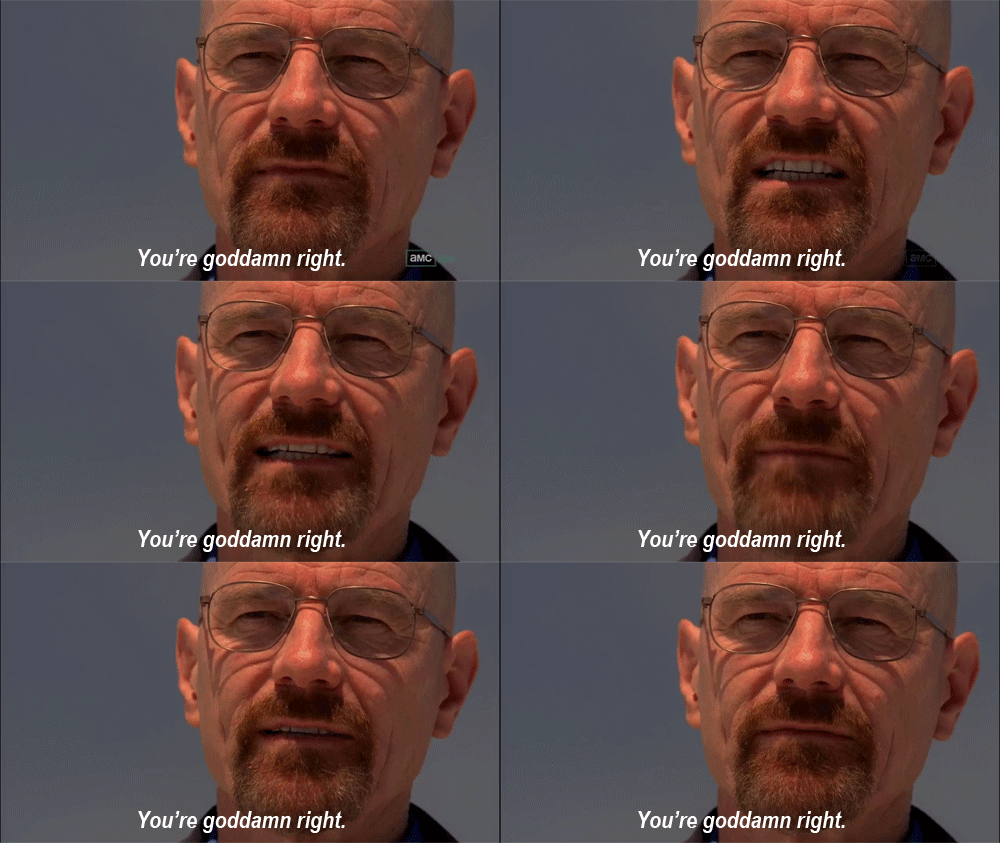
Move along, lady
Some days went by and, as I suspected, I was reported for insubordination to all of my bosses and she attempted to get me fired. But my direct female superior had a gay best friend and mentor ten years older than me who at the time was actually dying of AIDS – so that didn’t get her very far. Though I did get a thank you from the gay intern who said he admired how I handled Diamond L’il (not her real name). Plus the bonus reward of a smile from almost everyone I greeted in the production office for the rest of the shoot of one of the dumbest 1980s studio movies ever made.
These types of altercations still do occur today in some places but it is highly unlikely anyone will ever encounter them again in the production office of a major studio film. Nor the remarks I once heard in the later eighties in the offices at another major studio. This time from a development executive with a Mexican last name who informed me in front of his staff at a meeting that the Mexican families living in the poor neighborhood I wrote about in a spec script he liked were just plain stupid people who didn’t have the brains to get organized in the way I had written about even though the events in my script were based on real individuals in an actual Mexican neighborhood in Los Angeles.
Yes, one could argue a few ignoramuses continue to think this way but they are quite rare and, most certainly, they would not feel safe to act out in this fashion in today’s Hollywood. Which, one supposes, is some progress in itself. In any event, certainly both stories were enough to make my student smile just a bit and then proceed out of my office and into the world with the notion that the future can hold all kinds of unforeseen changes for the better and shifts in opportunities one could not have imagined.

How the student left my office… I imagine.
Speaking of the future, I’m reminded of one last story of a wonderful young woman I met some years after Diamond L’il – someone who is now a quite famous producer on her own but at the time was a junior executive at a major company who set up a meeting with me through my agent because she was a fan of my writing work. (Note: It was a good meeting though it was more of a general meeting – the kind I later realized that you go on with either new material in mind or a carefully honed pitch rather than with the agenda of getting your ego stroked by people who like your work and who you perceive will then automatically give you a job).
In any event, this woman and I had a great talk – actually a fantastic talk about a script of mine she really liked – and about movies, her company’s films, and the state of the biz in the nineties. She shared honestly about her company and the Oscar winning producer/director she worked for while I asked her questions about several movies they had produced that I admired. One film, in particular, was my style and something akin to what I’d like to write. At this point this woman turned to me and told me something I never did quite forget.
I’m going to be honest with you and say something that you probably don’t want to hear,” she said.
Okay, I replied, go ahead – I can take it. Honestly.
It’s just that – the film you mentioned, and the kind of script it was – the kind of scripts that you want to do – nobody cares about that kind of writing anymore.
Oh, you mean those small, sensitive, coming of age, love/friendship stories, I thought. But I said nothing and sat there in stunned silence.
I don’t mean to say I don’t admire and appreciate them, she continued. I’m just being brutally honest about where the business is going. Where the studios are. And if you tell anybody I said this, I’d probably deny it publicly. I just wanted to tell you.
Sort of tongue-tied I looked at her and lied – Well, I really appreciate your honesty.
Don’t mind the clothespins!
I couldn’t tell you what happened at any point after she said that because for all intents and purposes the meeting was over. I blanketly rejected in my mind what she was saying about the future. Surely, studios and everyone else will always find a place for sensitive, well-written scripts, I reasoned. She’s just been burned – or is getting burnt out. I know that doesn’t apply to me and the kind of work that I want to do.
Well, who knew I was in a meeting with an Oracle who would turn out to be so right – though not entirely correct. She left out the future world of cable television, independent movies and the emergence of the Internet and social media. Still, she saw the writing on the wall and I didn’t want (refused?) to believe her future. I feared it and tried to deny it, rather than embrace and accept it.
I didn’t share this last story with my student because I didn’t remember it until the student had left. And there is no use scaring someone so young with a brutalized version of the truth when merely an evenhanded version of its entirety will more than adequately do.
But that evenhanded version it’s always worth knowing, considering and recognizing. Regardless of age, point of view or position in life.


 notes from a chair