Oscar: The Family Guy?

cn_image.size.seth-macfarlane-oscars-ads

I’m a Seth MacFarlane fan.  But watching him inject Family Guy type humor into his live announcement of this year’s Oscar nominees reminded me of those great Spanish-style California houses that some idiot nouveau-riche person buys and insists on redecorating with sleek, incessantly modern furniture.  No matter how much money they spend or how stylishly they or their decorator try to pull it off, it never looks right.  It’s like the 30-year-old suit you try to reconstruct to today’s styles.  Or the too expensive sweater that never fit correctly that you’re hoping to repurpose.  Or Mick Jagger or Madonna in 2012.

I don’t know that I want to hear jokes about any female Oscar nominee pretending to be physically attracted to Harvey Weinstein before at least noon (or ever).  Nor do I think any of us cares about how Seth feels about getting up so early to tell these jokes on Oscar nomination morning (or any particular morning). All we really care about is – who has a chance to win and who didn’t make the cut – and not necessarily in that order.  Note:  See, I can be bitchy, too.  Second Note:  Seth is actually the first Oscar host to get up this early in 40 years to announce the nominees so, in reality, he could have slept in and nobody would have noticed.  Or complained.
My real Oscar feelings...

My real Oscar feelings…

One fears after giving way to a couple of more traditional Oscar ceremonies (or is it television shows?) we’re right back to an attempt at the younger, hipper Anne Hathaway/James Franco Oscars with the twist being both of their voices will emanate from the same person.  Well, they got a great voice guy so maybe this is indeed the plan.  In fact, wait – when you think about it McFarlane is sort of a combination of Hathaway and Franco.  He can unexpectedly sing yet he also says inappropriate things while smugly hanging back pretending he never really said or did anything at all.   Hmmm — at the very least this could save the Academy money.

As for the awards themselves, here’s the thing.  They mean nothing and yet, they mean everything.   The nothing explanation is the easiest:  the Oscars are basically not much more than a high school popularity contest judged mostly by senior faculty.  The film business is a big version of a small town election where the locals have their favorites yet are somewhat open to new kids in town because they know in their heart of hearts they should be – within reason.  Whose reason?  Well, the reasoning of the senior faculty.  Keyword here – senior.  Which is why you don’t see a best picture, director or writing nomination this year for The Master and why you do see lots of nods for Amour, Lincoln, The Silver Linings Playbook and Les Miserables (Yes, I know Les Miz’s director Tom Hooper didn’t get nominated but his nomination and very generous win for The King’s Speech several years ago has him covered for at least a decade, don’t you think?).

Oh, of course this is all a matter of opinion!  And mine is as good as any.  Besides, you don’t think there is some universal standard to measure all of this by, do you?

Which brings us to why the Oscars mean everything.  There are probably a realistic  .005% of people who make films who have ZERO desire to win an Academy Award.  The rest fall somewhere between “it would be nice” and “I have a knife, I know how to stab, now point me in the direction of the backs I need to clear out of my way in order to get on that stage.”  I’m not saying this is a quote from Harvey Weinstein and I’m not saying this isn’t a quote from Harvey Weinstein.  I’m just sayin’.

harvey_weinstein_talks_about_the_weinstein_Oscars_2012_nominations_the_artist_my_week_with_marilyn_the_undefeated_the_iron_lady

Don’t try and be cute, Harvey, we know the truth.

To say that Oscars are an iconic representation of excellence is, perhaps, to sell them a bit short.  Not that they are un-iconic and not that they don’t measure some degree of excellence.  But they are much, much more than that.  They are an imprint from childhood. They are a symbol of glitz and glamour. They are bragging rights to a club known round the world (and probably beyond if such a thing exists). They are a line in a bio that can’t be topped by any other recognition an industry has to offer (the Nobel Peace Prize – please!!!) and they are a guarantee that your obituary will not be ignored by any reputable newspaper for all of eternity (or for as long as newspapers exist, which might not be too long, so you’d better get to work and win one pretty soon if this is what floats your boat).

Sacred is probably too precious a term for the surprisingly heavy yet compact gold statuette.  Rarefied, perhaps?  Hmmm – definition please?

rar·e·fied

  1. (of air, esp that of high altitudes) Containing less oxygen than usual.

  2. Esoterically distant from the lives and concerns of ordinary people.  “rarefied rituals.”
A rare beast

A rare beast

Yeah, that’s about right.  Those that seek to make the Oscars over into the current or most popular of contemporary images or shows are missing the entire point of the whole thing.  At their best, the Oscars are not about young and hip –  they are about timeless and a bit untouchable.  That’s the entertainment value.  That’s the pull.  I mean, has no one at this year’s ceremony ever watched Dynasty, Dallas or even…Revenge?  Okay, perhaps there hasn’t been enough of the timelessness and untouchableness we all long for lately but to many of us (okay, me) that was always the intrigue and that was always the point.  You can do tweaks, you can be a tad self-deprecating.  But I don’t want to take my classy aunt to a kegger nor do I want to watch her reaction from the audience as she’s forced to watch the help try too hard to entertain her or, worse yet, try to incompetently to pull center stage from her.  Though if my aunt were as adept at double takes and sassy retorts as Maggie Smith (former Oscar winner) on Downton Abbey this might be well worth considering.

I don’t blame Seth for any of this.  He is who he is.  Plus, it’s tough to turn down Oscar when he knocks on your door – especially if you’ve NEVER dated him.  Remember – Marlon Brando had both won the best actor Oscar (for 1954’s On The Waterfront) and had attended the ceremonies before he sent up Sacheen Littlefeather onstage to publicly to refuse his second Oscar for The Godfather in 1973.

No, I think that what we all long for these days is a little bit of…dare I say it…okay….class?  Or is it…glamour?  Or maybe…24-karat gold fun?  This is not to be confused with snobbery or stuffiness.  We have any number of international royal families to choose from for that.  But just as I don’t expect anyone to stick a Whoopee Cushion on top of the Queen’s Throne at her Golden Jubilee, I similarly don’t expect to hear Austria/Germany Hitler jokes at the announcement of the Academy Award nominations from a trying-too-hard to be hip and groovy and edgy host. (Uh yeah, that joke is right after the announcement of the foreign film nominees).

Now, I don’t think that’s too much to ask —  do you?  Or, Do you?

Finally, you can’t do a blog on the Oscar nominations without going out on a limb and early predicting who or what will win some of the major awards.  So, for what it’s worth, here it is.   Note: As a lifetime Oscar watcher I know a lot but realize I am often wrong on waaay too many of these categories.  Still, will that stop me from sharing it with you?  As this year’s Oscar host might actually say from the stage at the actual ceremonies themselves (drinking game, anyone?), “hell to the no!”

Best Picture: Silver Linings Playbook

Best Director: Steven Spielberg, Lincoln

Best Actor: Daniel-Day Lewis, Lincoln

Best Actress: Jennifer Lawrence, Silver Linings Playbook

Best Supporting Actor: Tommy Lee Jones, Lincoln

Best Supporting Actress:  Anne Hathaway, Les Miserables

Best Foreign Film: Amour

Best Adapted Screenplay: Tony Kushner, Lincoln

Best Original Screenplay: Michael Haneke, Amour

See you at online live-blogging the ceremonies.  Unless I am assassinated first.

Be Bold

... and daring.

Spice things up

I was talking to a very smart person the other day about getting noticed (okay, “making it”) in the entertainment industry.  Now let’s be clear – getting noticed is not the same thing as being successful and exceptionally talented.  And not getting noticed is certainly not the same as being unsuccessful and unexceptionally talented.  Everyone still with me?

American entertainment culture defines success among its artists with commercial allure and its rewards – how much money you make, how willing the powers-that-be are to pay you even more money or how many different ways everyone else is trying to seduce you towards them.   Since every endeavor has its real world measure I used to buy into this totally.  I mean, you need some sort of objective scale – why not how much you sell or even how well reviewed you are?  Or perhaps it’s even about how well aware certain audiences are of your talent?  The cliché saying of the cream always rises to the top  (meaning if you’re talented enough you will eventually break through, especially if you’re persistent and dedicated to the extreme) is generally accepted by the gatekeepers of most industries as the rule of thumb.  This is most particularly the case by entertainment industry standards and most certainly became the case, over the years, by yours truly.

The problem with this way of thinking is – well – it’s just a load of crap.  A street load full.  Actually, a whole city full.

quite literally, a load of crap

quite literally, a load of crap

A certain degree of talent is necessary but not necessarily immense talent.  Dedication helps a lot but if you’re a workhorse it doesn’t mean people more successful than you will all be working harder.  And, if you’re very talented and working very hard and still unsuccessful by the above definitions – it might not be so much about you but the time period of popular tastes that you were born into and how societal trends have coincided with what you do (unless you are crooner Michael Buble, of course). And how willing or able you are to capitalize on these trends.  Or how possible or impossible it is to even do the latter given your particular talent.

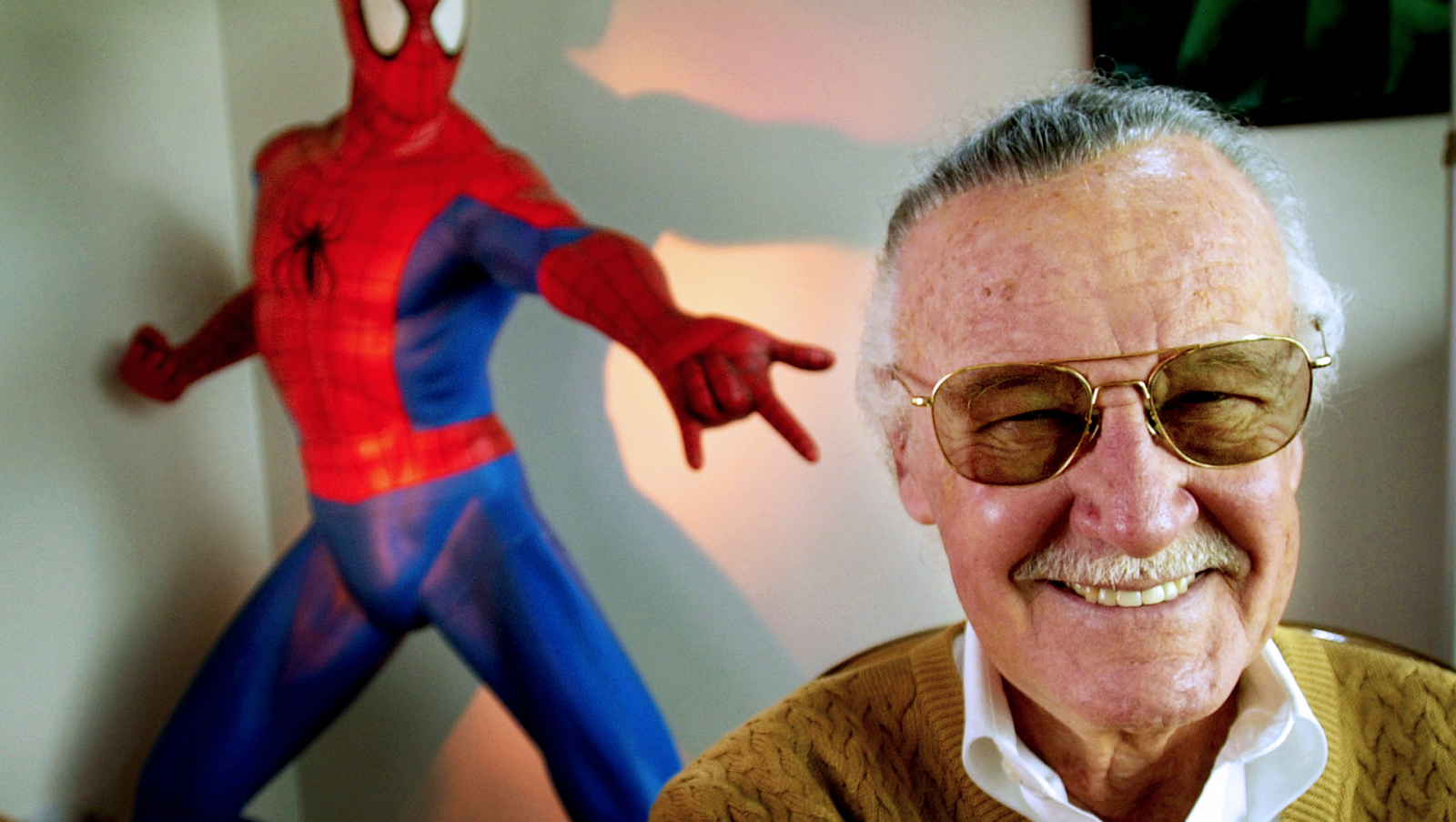
Here’s an example.  There are many wonderful writers of straight on drama nowadays who don’t work in films because those movies are way less popular in 2013.  Just as there are lots of middle-aged men who wrote comic books who never would have worked at the top levels of Hollywood in the 1950s, 60s or 70s but who nowadays are being paid a king’s ransom for telling stories that appeal primarily to the young boys (and some girls) that they once were, along with their parents and grandparents (who they now are).  Note:  A few of these even older guys (and they were primarily male) have actually lived long enough to see their financial fortunes shift in the movie business in a HUGE way.  Yes, I’m talking to you Stan Lee.

He's laughing because later he's going to swim a lap in his pool of money.

He’s laughing because later he’s going to swim a lap in his pool of money.

This is the way of the world of the “biz” and the world each of us in the “biz” has voluntarily chosen to live in.  But to believe it doesn’t exist is as foolish as believing that one shouldn’t try at all because talent, hard work, dedication and extreme perseverance doesn’t matter either.  It all matters.  A lot.  It’s just getting to the right combination of it for oneself – a combination to which there is no knowable formula known to humanity as it now stands.

Word.

Word.

That is why the only path to take is to be who you are as an artist and to do it in the boldest, most courageous way possible for you.  Don’t apologize for the work you do to anyone, most of all to yourself.  Yes, yourself.  Meaning – never, ever, ever hold back because you’re afraid you’re making you or your characters look bad  – or positioning the piece or yourself in a way that you think ensures people won’t like you or them.  Or that, heaven forbid, you will offend them.  Where you WANT to be is in the nervous area.  The part of you that is too exposed. The line at which people won’t like you.  The moment that you (or your creations) would like to take back.  Some writer – and I wish to God I could remember who but let’s just say it’s Aaron Sorkin because he’s the current fallback position for screen/TV writing guru – recently said in an interview that everything one writes or creates should have something in it that its creator is embarrassed they’ve revealed.  I think that’s true.  But what about whole pieces of work that could be judged embarrassing, or misfires, or dated, or just plain wrong-headed?  Am I saying that you should be unabashedly committed to those and risk it all on something that is likely to lose?

Um…..exactly.  Because let’s take a look at three very controversial and popular films and TV shows of the moment – Zero Dark Thirty, Django Unchained and “American Horror Story: Asylum” – and you’ll see that’s exactly what all three have done.

Wearing shades is the new "playing ugly" in Oscar bait.

Wearing shades is the new “playing ugly” in Oscar bait.

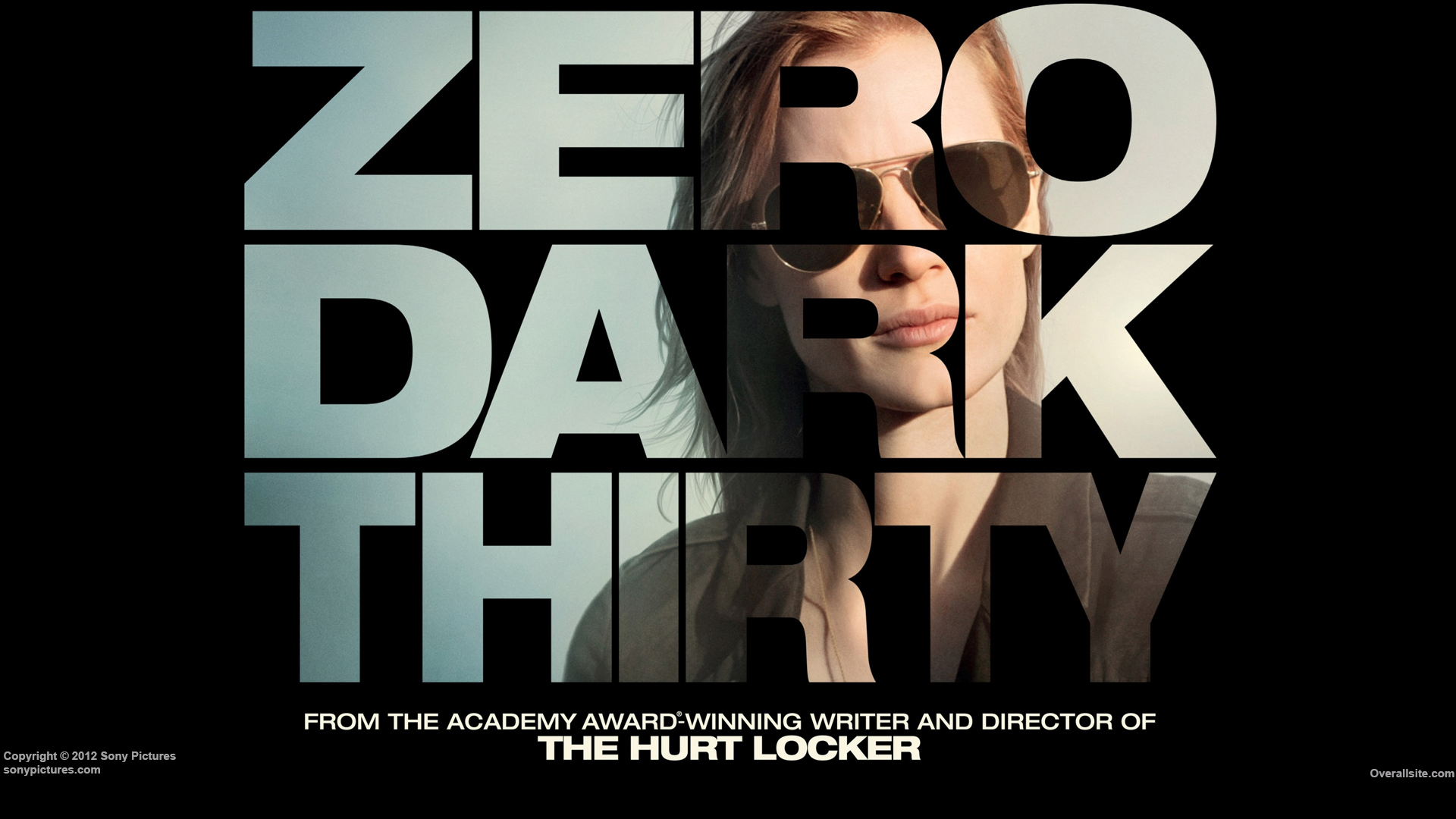
If you’re screenwriter Mark Boal and director Kathryn Bigelow, why do another Middle East War movie like Zero Dark Thirty when you’ve already hit the jackpot with similarly-themed Oscar winner The Hurt Locker?  And why do a story for Hollywood about the hunt for 9/11 mastermind Osama bin Laden, the most notorious modern villain in the world, without an ending where the bad guy dies?  Uh, bin Laden is dead, you say?  Well, not the whole time Boal and Bigelow conceived the movie, not when the script was finished, and not when the film was fully financed and ready to go into production.  In fact, it was announced Bin Laden was killed early in May 2011, just as ZDT was about to begin filming.  Which meant (listen up all writers and aspiring screenwriters) the film had to be substantially rewritten in order to accommodate an unanticipated real life ending.

As if this wasn’t enough, why risk government or studio censorship of a pet film project you’re on due to national security?  (Are you nuts?)  I mean, even if you get the story right, you could easily be sued for libel, get professionally discredited (and certainly IRS audited) or at the very worst, slowly water down your piece at various points before its release in order to ensure that it does finally even get a release.

All of these issues invariably came up for the filmmakers of Zero Dark Thirty. In fact, they were also called on the carpet by a group of U.S. Senators (thanks John McCain and Dianne Feinstein, among others) who claim ZDT’s depiction of CIA torture was false and perhaps irresponsible storytelling.  This was then followed by an announcement that the filmmakers’ CIA sources, which they have so far refused to specifically disclose, were themselves being investigated.

Now – step back and think clearly – you are the writer or the director and you love this project.  Will you expend whatever time, clout, money, talent and/or security you have at that point in time, before all this has happened, to something that will likely cause this much of a heap of trouble?

There is only one correct answer.  Yes.

Unhinged is more like it...

Unhinged is more like it…

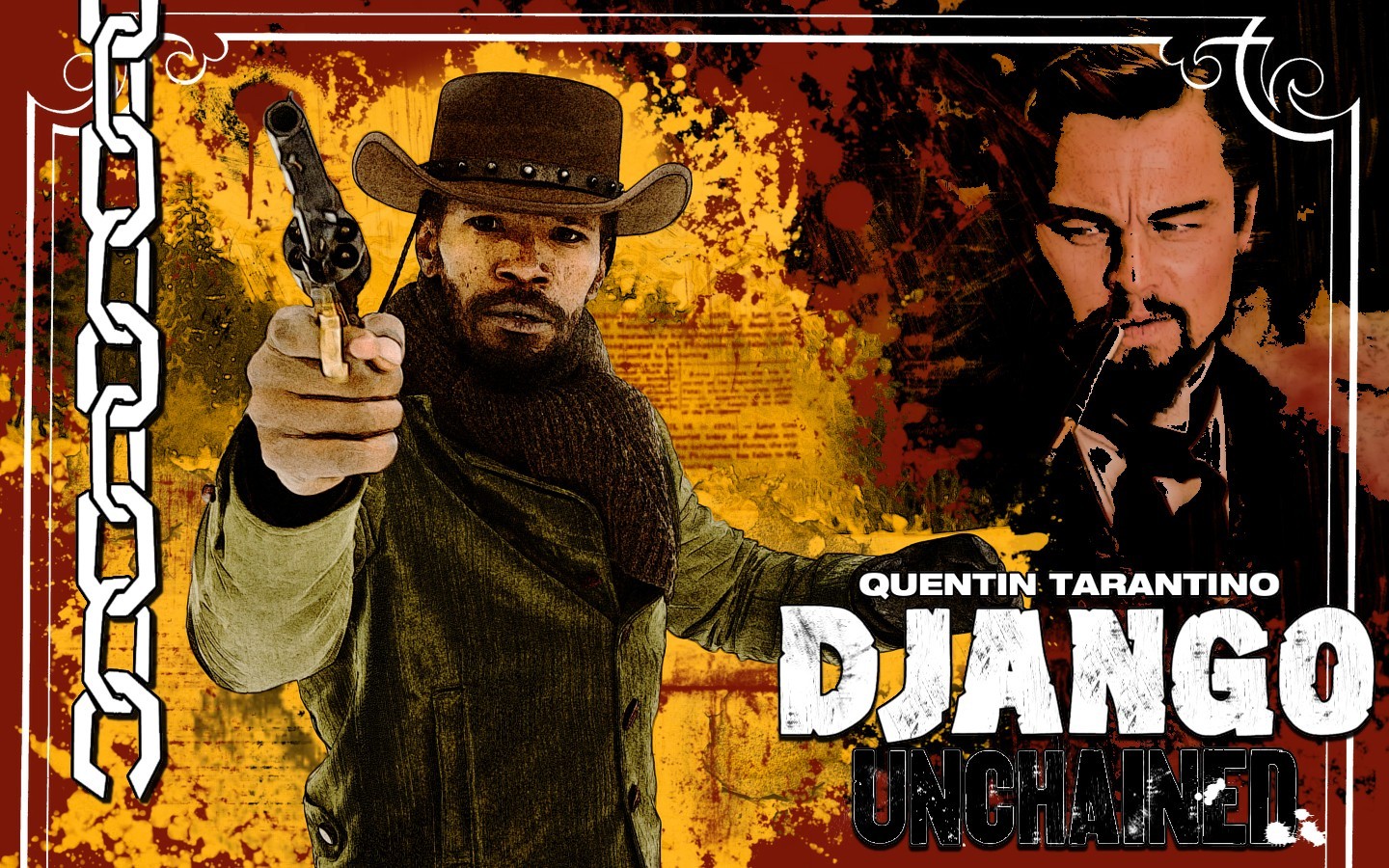
Django Unchained is no less complicated, albeit in a different way.  We can pick apart Quentin Tarantino and his movies all we like, bellyache about how he has enough clout to get anything made that he wants, and argue that his movies are so outrageous and over-the-top that there is nothing he can’t do on film that won’t be expected and, in fact, accepted by his dedicated legion of loyal fans.

Hmmm, not sure I agree. There is a saturation point for just about everything and everyone and each filmmaker’s next film is potentially his or her greatest failure (have you seen Spielberg’s Hook, Alfred Hitchcock’s Family Plot or Billy Wilder’s Buddy, Buddy lately?).  Not to mention – how many white artists among us feel comfortable writing or being associated in any way shape or form with the “N” world in a film about African Americans (even though its set in the Civil War era) or want to risk our prized position at the top of the commercial heap by making a movie where it’s spoken more than 200 times?

Correct answer:  Quentin Tarantino and very, very, very few of the rest of us.  Which is what makes him Quentin Tarantino – the guy whose new movie fellow filmmaker Spike Lee has claimed is “disrespectful” to his (Spike’s) “ancestors” though Mr. Lee has no plans to even see it and judge for himself.  Well, okay then.

Dear... Lord....

Dear… Lord….

Television usually does not do bold and questionable taste very well but sometimes even the boob tube hits the piercing center of the tiniest of bulls eyes.  I was not going to belabor my love for FX’s “American Horror Story: Asylum” yet another week here for fear of boring my readers except for the fact that NOT belaboring it would contradict everything I’ve just written this week.  So – risking it all – let me tell you once again that this sick, twisted, hilariously dramatic, sometimes offensive, often times derivative and always nonsensically yet incredibly entertaining series never holds back.  And never more so than this past week.

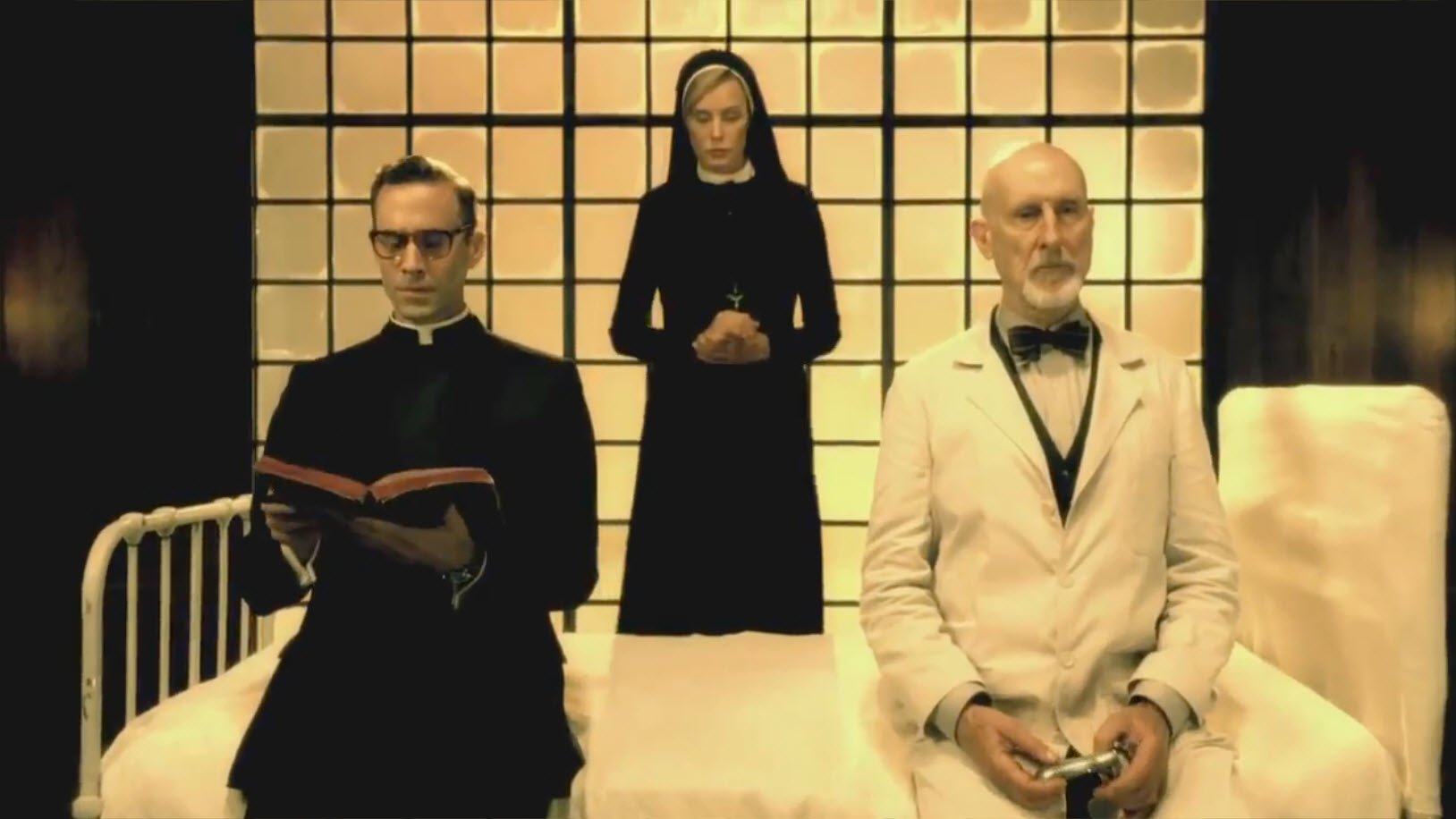
In an episode entitled “The Name Game,” Jessica Lange’s deposed nun and former nightclub singer Sister Jude – the nastiest mistress of the nuttiest loony bin in the early 1960s, has now been stripped of her powers, become an unwilling patient committed to the asylum she used to rule with a collection of nasty wooden canes of all sizes, and has now just been given quadruple the amount of electro shock therapy she was scheduled for due to the hubris of her truly evil replacement – a younger nun possessed by none other than – yes you guessed it again – SATAN!!

Could it be....

Could it be….

After somehow emerging alive from all of the electricity, Judy (no longer Sister Jude) drags her beleaguered self back into the hospital’s recreation room where Lana, a fellow patient Judy at one point herself tortured, is shocked (no pun intended) at how Judy looks and what’s been done to her.  Fearful Judy is gone forever (or has turned into a cousin of another iconic Jessica Lange character, Frances Farmer), Lana approaches her former nemesis and simply asks:  “Do you know your name?

To which Ms. Lange’s Judy replies – or in actuality, sings – with her own version of the 1960s cult hit: “The Name Game” – well, a 2 minute 14 second remake of it with singing and dancing crazy people doing Hullaballoo type choreography.   Sound out there?  Crazy?  Ridiculous?  Campy?  Sick?  Twisted?  “Disrespectful?  “Sad?”  You bet it does.  And its exactly why the song has gone viral and “American Horror Story: Asylum” is the current cult TV hit of the new TV season and this week’s undisputed champion of “must see.”

Think about it.  Real hard.  But – watch this first.