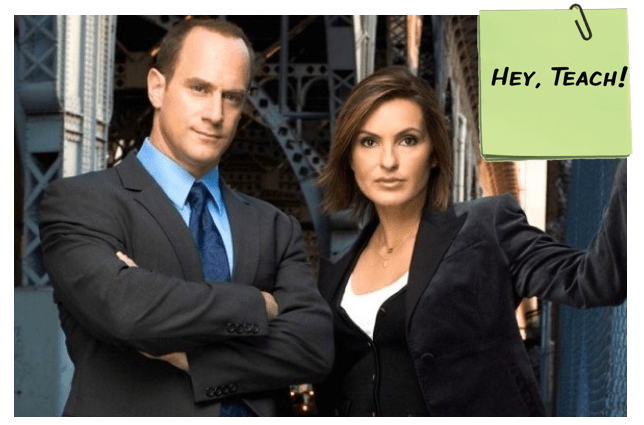
My name is The Chair and I am a Law and Order addict. And my particular drug of choice is Elliot and Olivia.
So clearly I was in heaven this week.

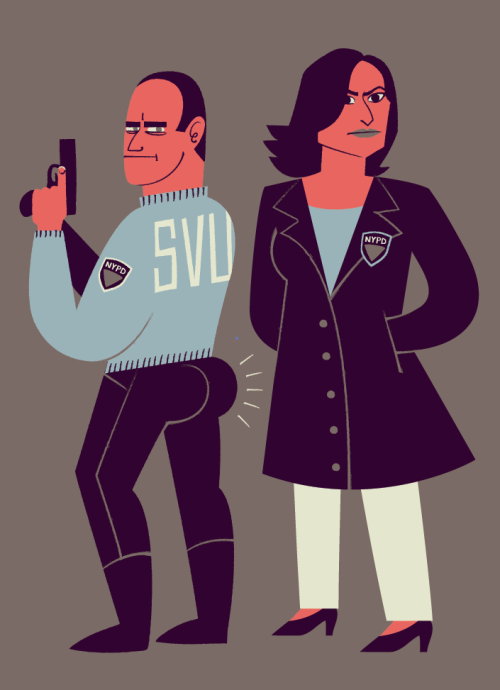
For two hours I got to see the reunion of two of my favorite TV characters, the above detectives played by Chris Meloni and Mariska Hargitay, on L and O: Special Victims Unit and on Meloni’s new series, L and O: Organized Crime.
Yes, all their mesmerizing, simmering chemistry is still present as is their dedication to the job. Of course, the rules of their job have changed since we met them a full 22 years ago but so have they. More importantly, so have we.

Today’s laws for policing are different. On second thought, maybe it’s more that the laws on the books are now finally beginning to be enforced. Cops wear body cams, DNA evidence is irrefutable and every eyewitness has a device to back up what they claim was done.
Together Elliot and Olivia bent the rules to protect the victims and the innocents, or at the very least ensure them some sort of personal justice. Forever partners in stopping the bad guys, they managed to do this by channeling their deeply complex feelings for each other into cracking an infinity of awful, sickening and truly unimaginable crimes.
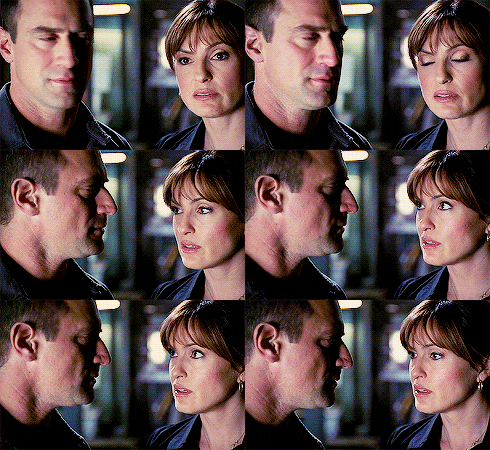
The deal, and the lure of their imaginary relationship in their imaginary world, is they figure out a way to go there and score victories for humanity and we get to believe that at the end of the day good can and often will triumph over evil.
More times than I’d like to admit, Olivia and Eliot made me believe I might likely be safe and that life was not so much perfect but hopeful. I think I can even speak for many fans and say most especially they also make us feel that even the worst trauma is potentially survivable.
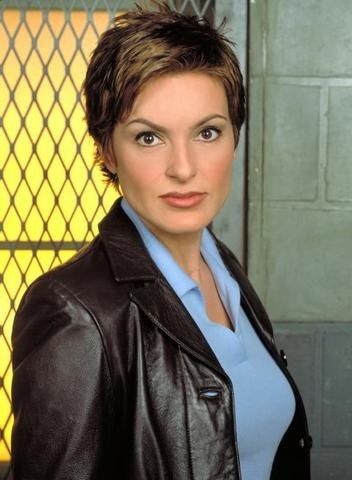
If their stories are truly ripped from the headlines why can’t the outcomes of each episode also be within the realm of possibility? Why not believe things might be some degree of okay?
For years and years, because let’s face it, when is Law and Order: Special Victims Unit NOT being broadcast (Note: At this point it’s older than most of my college students) we’ve known in our hearts it doesn’t ALWAYS work out that way.
On the other hand, given the antics of Olivia and Elliot, it also could.

Certainly there are worse things than to be addicted to and to delight in than the righting of wrongs for the disenfranchised by those good people, nee cops, working within our very flawed, but yet still somehow functional system.
Or, well, has this kind of mythmaking now finally come home to roost and become part of our collective problem?
I wish that I could definitively state that my obsession for Elliot and Olivia/Olivia and Elliot (Note: Which one is it?) existed in real life and in real time and it was justice for the victim, balanced with adherence to the law, that makes me crazy with delight.
Because sometimes I really do believe this is so.
As I watched the trial of Minneapolis’ ex-cop Derek Chauvin live on TV for the murder of George Floyd this week this indeed seemed to be the case.
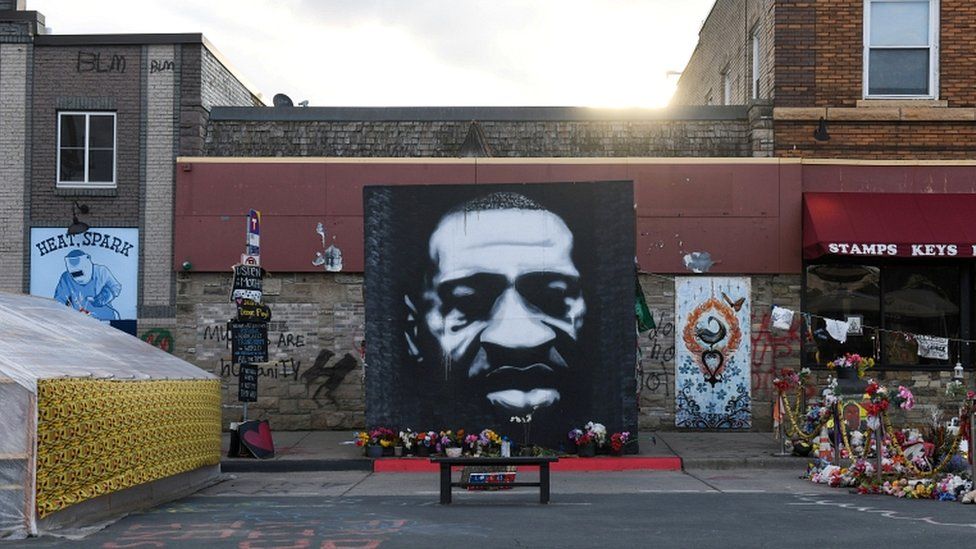
Chauvin’s the white guy we’ve now watched more times than we can now count, via iPhone footage, extinguish the life of Mr. Floyd, a large Black man who was suspected of trying to pass a counterfeit $20 bill at a supermarket, a bill the clerk is now saying Mr. Floyd likely didn’t even know was fake.
Nevertheless, Mr. Chauvin and his fellow officers wrestled their handcuffed suspect to the ground, where Mr. Chauvin placed the full weight of his knee and, it now seems, entire body on Mr. Floyd, who spent the majority of nine plus minutes pleading for his life, screaming I can’t breathe and eventually crying out for his mama as he died.
All this as Mr. Chauvin casually looked up at the sky and out to the city streets, perhaps even wondering what he would have for dinner that night. (Note: Yes, it seemed THAT casual).

But what he never appeared to be considering at all were the shouts of the crowd of innocent bystanders gathering around him, demanding he stop the pressure, stop ignoring their pleas and generally stop his slow and deliberate choice to break the very laws he was hired to uphold in the name of enforcing them.
Watching the testimony of those random bystanders this week – a 9-year-old girl, an off-duty female firefighter/EMT, a middle-aged martial arts expert, and a sixty something Black man who just happened to be walking by – all break down on the stand as they re-experienced the guilt they felt at not doing more in the moment to prevent Mr. Chauvin’s debacle of justice as he ended Mr. Floyd’s life, was difficult.
In some ways, they were like a fine cast of supporting characters from one of the most harrowing of SVU episodes. People who would clearly carry this trauma their entire lives but without the benefit of either Olivia or Elliot’s personal touch. At the very least they wouldn’t have the business cards they offer with their direct lines and the assurance to call anytime they run into trouble in the future, or if they just want to talk.
As each angle of the Floyd/Chauvin tapes played, and with each recounting of events, one found oneself hoping for a different outcome for Mr. Floyd, his witnesses and even for Mr. Chauvin, all the while knowing this was impossible. It was like the worst kind of rerun because you so wanted it to be series TV and not be real.
Still, every one came across as an imperfectly perfect dramatic TV moment, a hope vs. fear scenario told in real time.
The latter is what I learned to do years ago as a young writer and a recurrent lesson I try to impart to my students.
The way the lesson goes is most stories are not so much mysteries but a suspense tug of war between what we WANT to happen and what FEAR will inevitably happen.

We KNOW the odds are stacked against justice prevailing but we HOPE justice will win the day. We FEAR the chances our hero has to figure this all out in time to emerge victorious with a win are slim but we still KNOW, or at least, HOPE they have a shot.
It’s the writer’s job to believably represent that constant push and pull in the story by a masterful reveal of the facts and choosing how much and at what point to reveal them. If done properly the audience will stay with us and fearfully hope for the outcome they (Note: And we, the writer) want because that outcome is only right and possible.
After all, we can look back on our own lives and count at least a few times where things fell into place and we got lucky with a confluence of events and our actions. Why couldn’t that happen for the hero we are rooting for here? Why can’t the type of people unlucky enough to witness the death of a man like George Floyd, as he’s being physically restrained by a cop like Derek Chauvin, emerge with some sense of triumph after their harrowing day on the witness stand recounting what is likely the most harrowing day of their life?
If it happens all the time on Law and Order, might it happen just this once on this day?
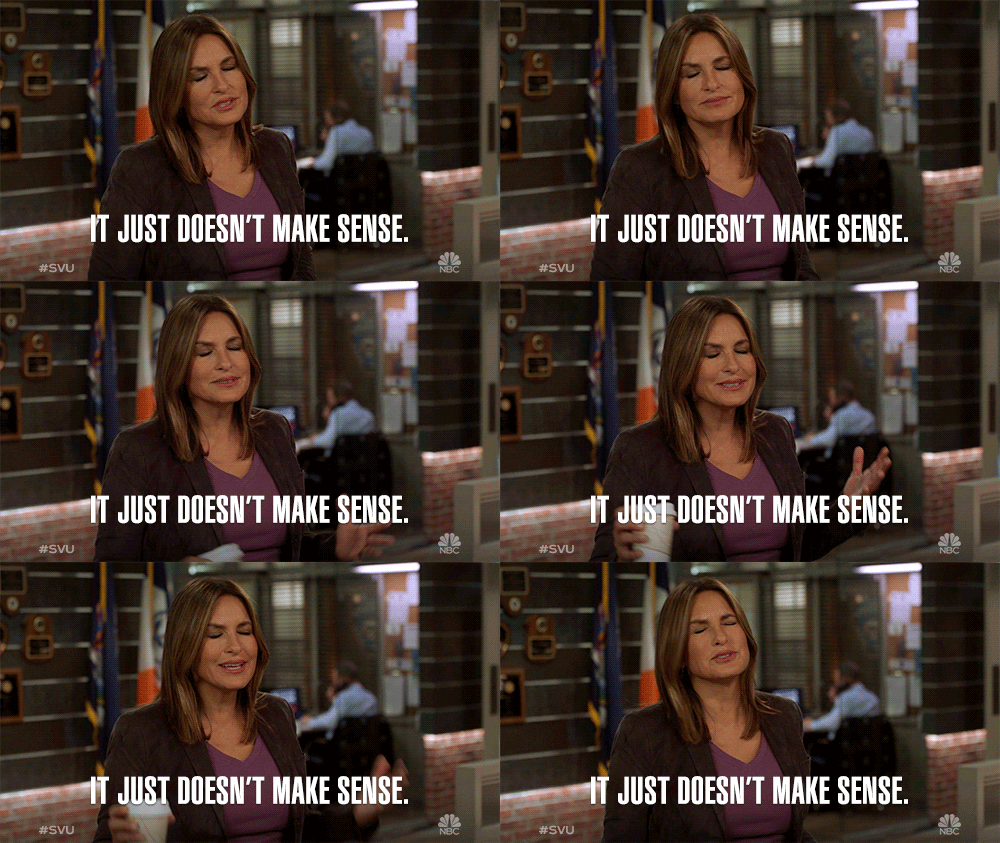
It’s unfortunate the witnesses on that Minneapolis street on May 25, 2020 don’t have the caliber of writers Elliot and Olivia had, and have, executing their outcomes.
For that they will have to depend on us, or at least our surrogates – the jury.
Twelve people and two alternates, eight of who are white and six of whom identify as people of color, including four who are black.
Let’s hope they are all as committed to justice as we Law and Order junkies presume to be. And let’s pray they are not just there to hold up the status quo rules of some rarefied and benevolent system that we fans have talked ourselves into believing exists just because it makes us feel better.
Check out the Chair’s newest project, Pod From a Chair , now available on Apple Podcasts and Spotify!
Need the Chair’s insights on the Oscars? Our special two part nominations episode is live now!





 notes from a chair