There was a time not so long ago when journalists got up at the crack of dawn to go to the Motion Picture Academy where, at its Samuel Goldwyn movie theatre on Wilshire Blvd., if you were one of them, you’d be among the first non-Academy associated humans to get a white typewritten paper list of Oscar nominees that you’d either phone into your publication or rush back to the office to write about for tomorrow’s edition. There wasn’t a lot for TV reporters to film, except perhaps a bunch of p.r. representatives lingering from the side aisles waiting to pounce on anyone within earshot in all sorts of nefarious ways.
Oh, maybe there was also the dull Academy president announcing the major nominees in front of a red velvet curtain and a larger than life backdrop of a fake Oscar but I wouldn’t swear to it. What I do remember is when I first got here and started covering it, even the presidents lingered, and often nefariously. In Hollywood, everyone lingers – sometimes nefariously and sometimes not – but almost always for too long. It’s one of the many pitfalls of the business.
Anyway, back to the bygone era of the very early eighties that I refer to. It was a time very early in my career when I was an actual show business journalist. Clearly, I’m not as good as I thought because I can’t remember if there was even an actor standing next to the Academy president announcing said nominees or if the prez even or always read them.
Ok.. I’m not THAT old.
What I do remember is that I was very young and very excited to be there. Though more exciting than that was the list the Academy compiled for you stapled to the back pages of the nominees. It totaled up the list of nominees by studio, individual credits and according to how many times, if any, the person(s) had been nominated and/or won before. Why was that exciting? Because there was a time not so long before that when not even this detailed list was provided and a reporter had to navigate the perilous waters of going back to the office and inevitably getting some minute detail of the past or present wrong.
What do you mean fill in name of current nominee never got nominated? How dare you forget that short film they produced when they were 32 that no one ever heard of!I will never read you again! Or –
Wefill in name of studiogot six nominations this year and not seven – clearly you’re in the tank for fill in name of chief competing studio. We’re pulling all of our ads! Though my favorite was –
You know, fill in name of nomineewas NOT the youngest (or oldest) nominee for best sound. In 1938, fill in name of nominee was co-nominated for best documentary and they were 22 (102). That’s a full eight months younger! How dare you! Don’t you know ANYTHING????
Amen, Lady Mary.
Ahh, how times have changed. Or have they?
There will inevitably always be something to complain about when award nominees and recipients are concerned. Especially with the granddaddy (mommy?) of all – the Academy Awards. It’s not that this year’s Oscars are not so white. It’s that, well, they are never fair. Or even-handed. Or even…much of anything except iconic.
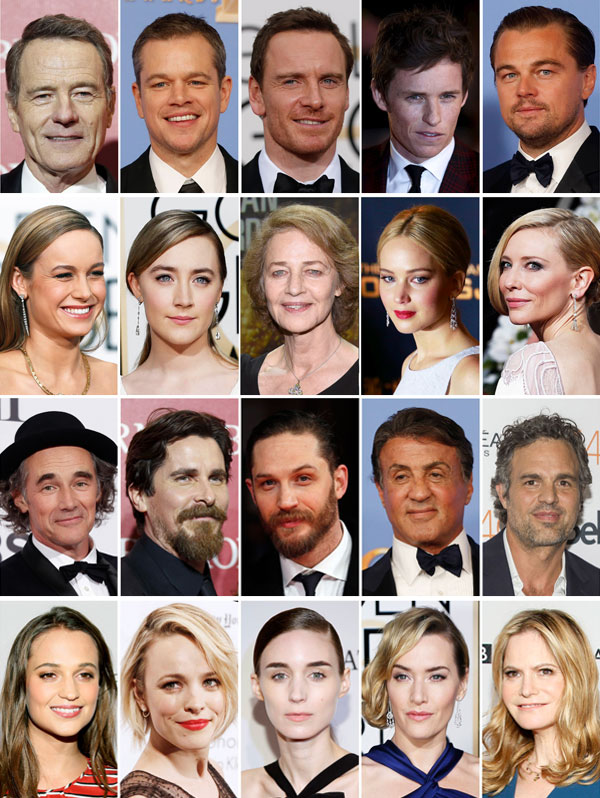
Ok… when you see this it does seem pretty white, but I digress
What you discover as you get older is that this is the case for far too many or our icons. Oh, don’t go thinking I’m on a downer and you don’t want me passing it over to you. Nothing iconic is quite what it seems to be. The Statue of Liberty is older than it looks up close, the Mona Lisa is smaller and most Las Vegas curtains are tacky and made of Mylar. Not to mention…well, you get the picture.
This is not to make excuses for the silly omissions on this year’s list or to say that this and many other show business, in fact all business, organizations, need to be more inclusive – nee color blind, gender blind, age blind and…well, you get the picture. Again. Of course, they do.
But accepting all this to be true or not true and simply dealing with the facts, explain on a macro level:
How can The Martian land seven nominations including best picture, actor and screenplay, and yet its director Ridley Scott is completely ignored?
How is it that Carol gets six nominations, including, best actress, supporting actress and screenplay, and for best picture it receives nary a mention?
How can I, as a lover of all kinds of movies, watch both of the above films and not understand why they were nominated for much of anything because both generally bored the hell out of me???
Therein lies your answer.
#noshame
This is all a strange conglomeration of opinion, circumstance, institutional prejudice and chance. And, as Oscar-winning screenwriter William Goldman so famously posited many decades ago in his seminal book Adventures in the Screen Trade, when it comes to the motion picture field: NOBODY KNOWS ANYTHING.
And yet…we all want a piece of the pie, don’t we? We all want to be recognized, and counted, or at the very least, to feel included.
I’ve often read the not so subtle putdowns of the millennial generation and how they need an award for everything. Often this is attributed to mis-parenting and a vaguely sort of overly permissive, socially liberal baby boomer culture.
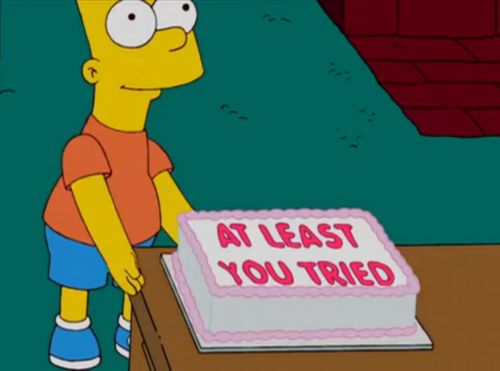
I bet that cake was delicious
Well, perhaps. But I don’t think so. Like all the rest of us, they just want to feel included in the inside game and valued in some way.
Awards and nominations are one way to feel this. But there are others. Lots of them.
Which is not to say I won’t be watching, dishing and live tweeting the Oscars when they air, Sunday. Feb. 28 right here at notesfromthechair.com.
And give up show business?? Oh, I don’ t think so.
Let us start by invoking the much-too invoked yet always timely and pertinent William Goldman quote about Hollywood:
NOBODY KNOWS ANYTHING
When it comes to predicting the Oscar winners this is the #1 rule.
However, this will not stop us or anyone else who cares even a little about show business and pop culture for indulging in one of our most beloved annual American pastimes. Even those who admit to not knowing anything about who might take home the Academy gold in a given year will likely wind up at a party or pass through a store where the prize for predicting the most Oscar winners or even the winner of a single close race is too good to pass up
So for all of you – and them – and because I’ve been doing this on my own and publicly for at least three decades and have never, not once, managed to sweep the entire board – here are:
I’d like to thank… myself
THE CHAIR’S OSCAR PICKS
But wait –
Before we start, I’m going to suggest a few Oscar drinking games to pass the time in what I predict will be AT LEAST a three and a half hour show – more likely three hours and 43 minutes, if I were a predicting man. (Note: If?)
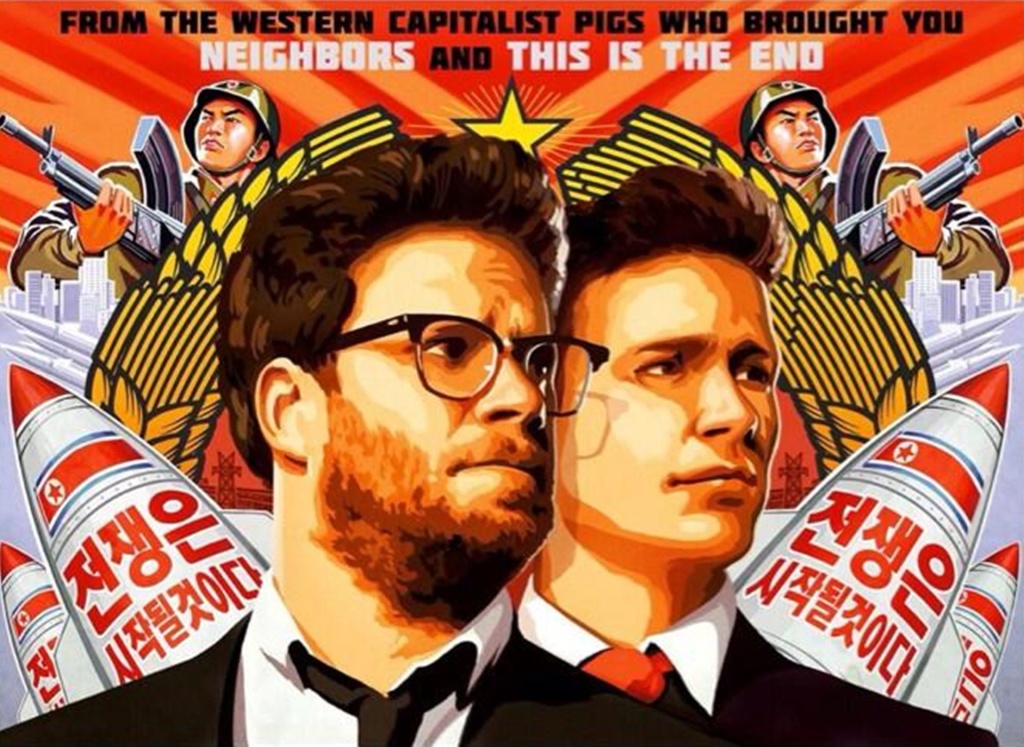
For those who love to drink: Take a belt every time The Interview, Seth Rogen, James Franco and Sony Pictures are mentioned. If you do, it is doubtful you will be awake or even alive by the end of the show. But neither will most of the rest of us so never fear.
For those who very much enjoy/like drinking socially: Throw one back each time anyone even alludes to hacking, hacking into emails, people in the movie business talking behind each other’s backs or Sony Pictures, Amy Pascal or Scott Rudin. (Note: Not knowing who Amy Pascal and Scott Rudin are should cause no embarrassment. Most of the world doesn’t either. Not really)
Let’s hope the jokes tonight are funnier than the movie #aimhigh
For moderate drinkers who still like a taste: Top off your glass each time Clint Eastwood’s age, Hollywood’s lack of patriotism or playing fast and loose with the facts of a movie subject like American Sniper’s Chris Kyle comes up for discussion. Do NOT drink if it’s a mere mention of American Sniper in passing because this will happen quite a bit during the show given its six nominations. Though it will win 0.0 in all of its major categories. #Predictionsspoiler
For only special event drinkers: Grab a glassful of something whenever a Rudy Giuliani/Pres. Obama joke is made. Actually, let’s throw in any mention of #OscarsSoWhite or how generally White the field of nominees are this year. Since this will clearly get more than a few passing references and you don’t get to drink very often – You’re welcome.
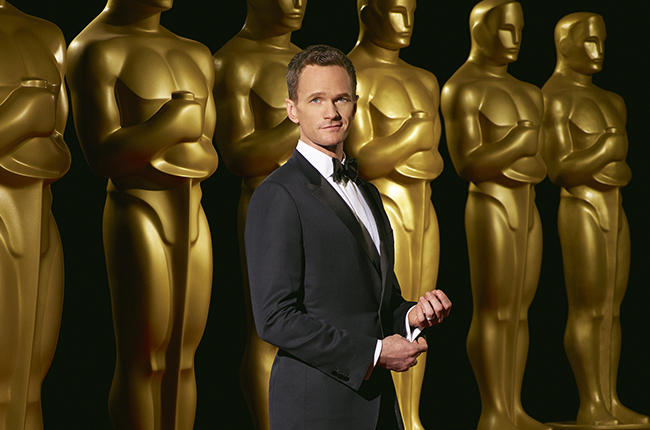
For us gays and others who support our gay agenda: Any LGBT innuendo at all in the course of the show counts as a reason to take a sip. This should guarantee EVERYONE will be pretty toasted by the time the Barbara Walters special does not air following the show this year. (Note: Yes, every appearance of Neil Patrick Harris counts. And you’re welcome – again).
Let’s do this!
Okay – here goes:
THE CHAIR’S 2015 REAL OSCAR PICKS:
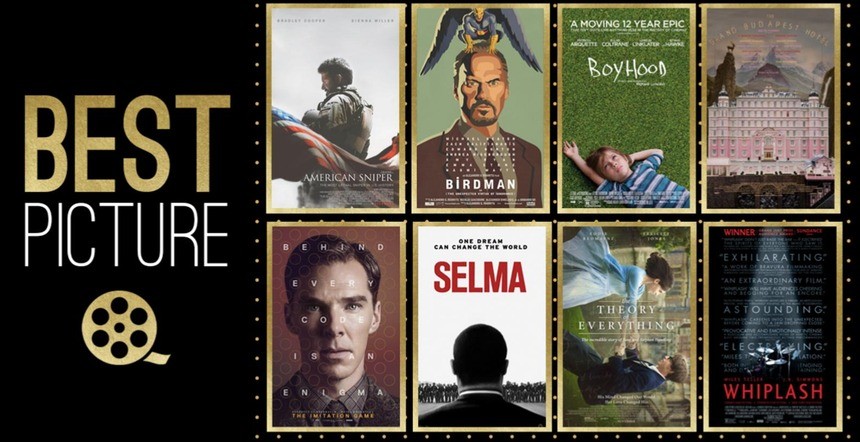
Best Picture
American Sniper
Birdman or (The Unexpected Virtue of Ignorance)
Boyhood
The Grand Budapest Hotel
The Imitation Game
Selma
The Theory of Everything
Whiplash
Let’s get this one out of the way first because it really is a toss-up this year between Birdman and Boyhood. Odds makers and conventional wisdom are giving Birdman a slight edge in light of its last-minute surge in other awards competitions. But my pick is Boyhood. Here’s why. At the end of the day, Birdman is a movie that does not paint Hollywood or the movie industry in a particularly flattering light. I can’t imagine voters, many of whom make their living off of superhero blockbusters, rewarding a film that ultimately thumbs its nose up at superhero blockbusters. Yes, this town is that small. I suppose I could be wrong – but I don’t think so. And no, American Sniper will not sneak in at the last minute. Which confirms nothing the flyover states think about us.
Chair’s Pick: Boyhood
Director
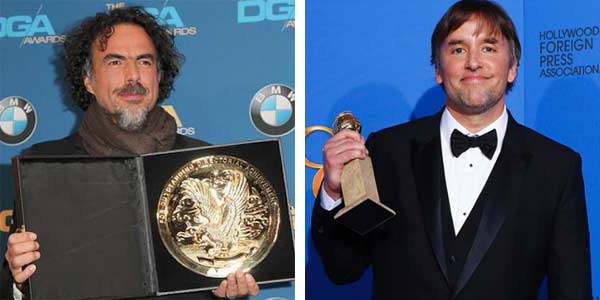
The Bird and the Boy
Birdman or (The Unexpected Virtue of Ignorance) Alejandro G. Iñárritu
Boyhood Richard Linklater
Foxcatcher Bennett Miller
The Grand Budapest Hotel Wes Anderson
The Imitation Game Morten Tyldum
I’ve given this one a lot of thought. Here’s the thing – I don’t see how the Academy will give up the chance to honor an American director who spent 12 YEARS making a critically-acclaimed film that he shot every summer for over a decade. In the area of mainstream narrative fiction filmmaking, that’s never been done to such widespread acclaim and effect. Not to mention, this is a guy who has toiled amiably and well in the indie and major studio film trenches for decades. I know the DGA awarded Inarritu – who is a brilliant filmmaker. But not here. I don’t think…
Chair’s Pick: Richard Linklater, Boyhood
Actor
The man loves a good costume
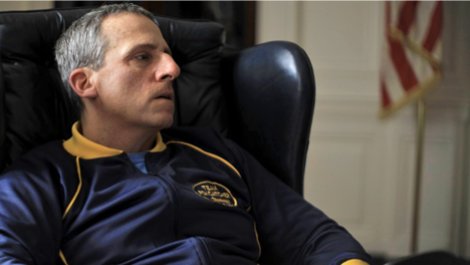
Steve Carell in Foxcatcher
Bradley Cooper in American Sniper
Benedict Cumberbatch in The Imitation Game
Michael Keaton in Birdman or (The Unexpected Virtue of Ignorance)
Eddie Redmayne in The Theory of Everything
This is another close race that seems to come down to a two-way battle between Eddie Redmayne and Michael Keaton. It seems likely that ER will win for taking on the task of both physically and mentally evoking the struggles and triumphs of Stephen Hawking. I thought so too until this morning when I visualized everyone I know or know of in the Academy looking at their final choices and remembering Michael Keaton in not only Birdman but Mr.Mom – not to mention the first Batman movie – and Night Shift – and Beetlejuice! Yes, Beetlejuice!!!!
They just won’t be able to do it – vote for the other guy. Plus, Michael Keaton was brilliant in Birdman and if you believe Boyhood will take best picture here’s a chance for all those voters to even score.
Chair’s Pick:Michael Keaton, Birdman
Supporting Actor
After tonight, he may not have to sell you insurance anymore
Robert Duvall in The Judge
Ethan Hawke in Boyhood
Edward Norton in Birdman or (The Unexpected Virtue of Ignorance)
Mark Ruffalo in Foxcatcher
J.K. Simmons in Whiplash
Four words – well, two words and two initials – J.K. Simmons, Whiplash. It’s the role of a lifetime that could have gone terribly wrong if it were not played just right. Whiplash was one of my fave films this year. And to the naysayers – yes, it was theatrical and stretched credulity just a bit but NEVER stretched the emotional truth of its characters. That’s why it’s a terrific film. One that would never work without the performance delivered by this year’s Oscar-winning supporting actor.
Chair’s Pick: J.K. Simmons, Whiplash
Actress
Slayin’ it on the carpet
Marion Cotillard in Two Days, One Night
Felicity Jones in The Theory of Everything
Julianne Moore in Still Alice
Rosamund Pike in Gone Girl
Reese Witherspoon in Wild
This one’s easy. It’s Julianne Moore’s year. It’s her fifth nomination and she’s never won. Plus, she was heartbreakingly perfect in Still Alice. Plus, she’s taken every other major award. Two plusses equal —
Chair’s Pick: Julianne Moore, Still Alice.
Supporting Actress
How many actresses would let us all watch them age like this? #brave
Patricia Arquette in Boyhood
Laura Dern in Wild
Keira Knightley in The Imitation Game
Emma Stone in Birdman or (The Unexpected Virtue of Ignorance)
Meryl Streep in Into the Woods
Once again, this is a gimme. It’s going to be Patricia Arquette. She’s won everything else and, well, she gave 12 years of her life to be contemporary America’s new onscreen Mom. That’s right, it’s still America and at the end of the day we all really do LOVE our Moms. Even in Hollywood. No matter what we might have once said in our therapy sessions.
Chair’s Pick: Patricia Arquette, Boyhood
Animated Feature
OK.. sure!
Big Hero 6 Don Hall, Chris Williams and Roy Conli
The Boxtrolls Anthony Stacchi, Graham Annable and Travis Knight
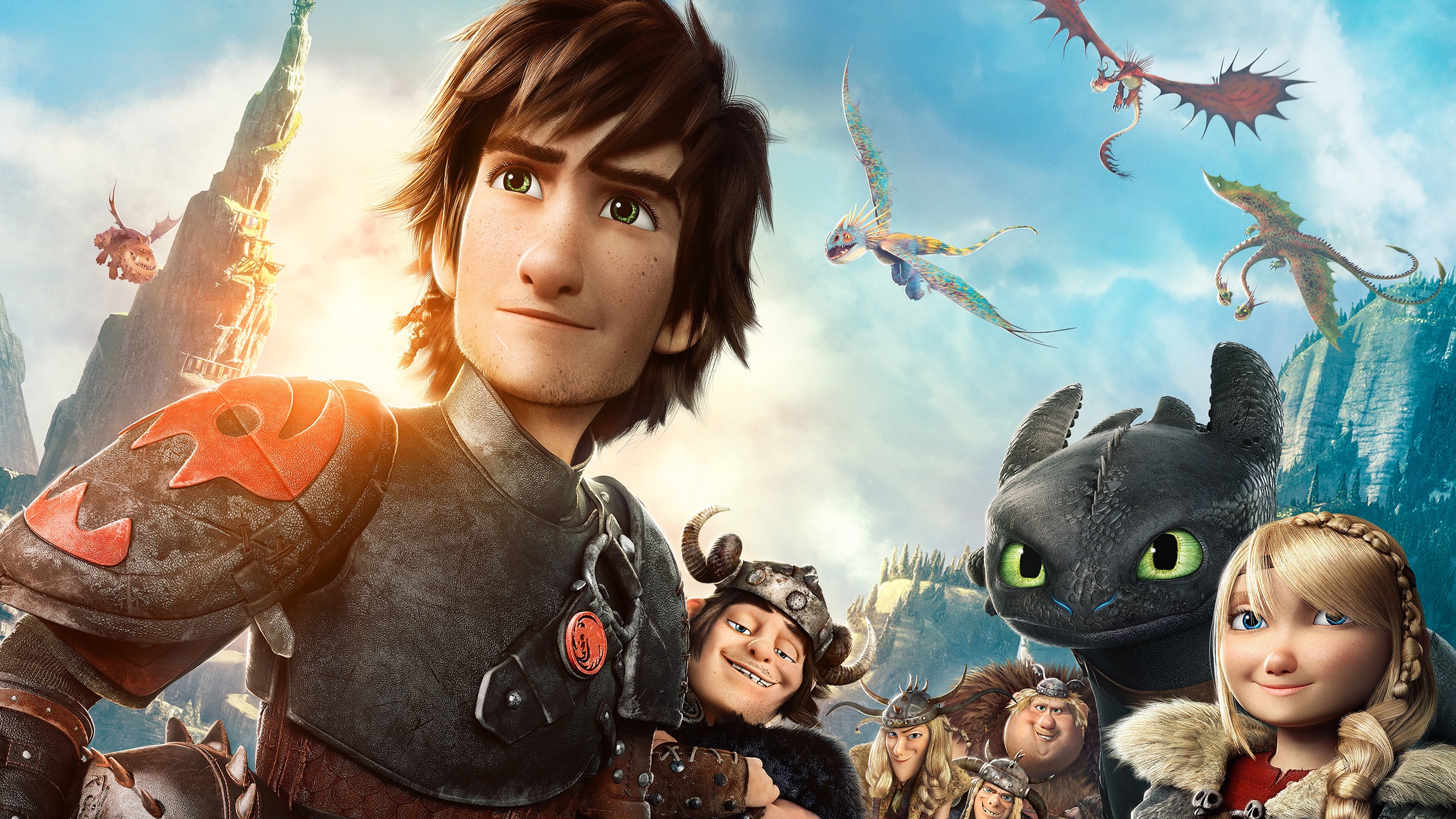
How to Train Your Dragon 2 Dean DeBlois and Bonnie Arnold
Song of the Sea Tomm Moore and Paul Young
The Tale of the Princess Kaguya Isao Takahata and Yoshiaki Nishimura
I’m depending on friends and what I’ve read on this one. And the verdict has been unanimous for:
Chair’s Pick: How to Train Your Dragon 2
(Note: Though I will admit that most of those surveyed say they liked Big Hero 6 better. Which, once again, has nothing at all to do with what will win).
Adapted Screenplay
American Sniper Written by Jason Hall
The Imitation Game Written by Graham Moore
Inherent Vice Written for the screen by Paul Thomas Anderson
The Theory of Everything Screenplay by Anthony McCarten
Whiplash Written by Damien Chazelle
I’d say Whiplash if this was the original screenplay category but due to a silly technicality that film has been thrown into a slot where it can’t compete. Too much controversy over the facts in American Sniper and in the case of The Theory of Everything its strength wasn’t its script. Most people I know couldn’t follow Inherent Vice but I thought that crazy screenplay was sort of crazy fabulous. Not that anyone asked.
In any event, here’s the Academy’s chance to honor one of the few now acknowledged gay heroes in contemporary history – Alan Turing.
Chair’s Pick: Graham Moore, The Imitation Game
Original Screenplay
Birdman or (The Unexpected Virtue of Ignorance) Written by Alejandro G. Iñárritu, Nicolás Giacobone, Alexander Dinelaris, Jr. & Armando Bo
Boyhood Written by Richard Linklater
Foxcatcher Written by E. Max Frye and Dan Futterman
The Grand Budapest Hotel Screenplay by Wes Anderson; Story by Wes Anderson & Hugo Guinness
Nightcrawler Written by Dan Gilroy
For the love of everything I hold dear, I don’t at all get all the love for the Grand Budapest Hotel and, most especially, its script. Huh? What? Seriously, I’m in the dark – more like a haze where I can’t make out – well, anything. Still, after decades of being a writer the one thing I’ve learned is that there are just some things I will never understand, much less see. Wes Anderson seems like an extremely nice fellow with an undeniable talent for bringing his visions to the screen. I wish him well. Just not in this category. But he will win.
Chair’s Pick: Wes Anderson, The Grand Budapest Hotel
Cinematography
Birdman or (The Unexpected Virtue of Ignorance) Emmanuel Lubezki
The Grand Budapest Hotel Robert Yeoman
Ida Lukasz Zal and Ryszard Lenczewski
Mr. Turner Dick Pope
Unbroken Roger Deakins
Any one of the nominees are deserving. But it seems inevitable that the sheer audaciousness of Birdman is going to win. The dazzling visual images in The Grand Budapest Hotel could be a spoiler. But probably not.
Chair’s Pick: Emmanuel Lubezki, Birdman
Costume Design
that’s a lot of look
The Grand Budapest Hotel Milena Canonero
Inherent Vice Mark Bridges
Into the Woods Colleen Atwood
Maleficent Anna B. Sheppard and Jane Clive
Mr. Turner Jacqueline Durran
Milena Canonero will win for TGBH. She’s won three Oscars previously and her work here was superlative – as always. Plus, I’ve met her and it’ll be fun to see her onstage at the Kodak theatre talking to a billion people worldwide – though this in no way influences my choice since she’s won most of the other awards in this category already.
Chair’s Pick: Milena Canonero, The Grand Budapest Hotel
Documentary Feature
will he skype in?
CitizenFour Laura Poitras, Mathilde Bonnefoy and Dirk Wilutzky
Finding Vivian Maier John Maloof and Charlie Siskel
Last Days in Vietnam Rory Kennedy and Keven McAlester
The Salt of the Earth Wim Wenders, Juliano Ribeiro Salgado and David Rosier
Virunga Orlando von Einsiedel and Joanna Natasegara
This one is going to CitizenFour despite the groundswell for the crowd-pleasing Virunga at the last minute. We here in Los Angeles are nothing if not government-doubting, paranoid, bleeding heart liberals. Yes, the rest of you are correct. But they’re our awards. #EdSnowden4Ever
Chair’s Pick: CitizenFour
Documentary Short Subject
Crisis Hotline: Veterans Press 1 Ellen Goosenberg Kent and Dana Perry
Joanna Aneta Kopacz
Our Curse Tomasz Sliwinski and Maciej Slesicki
The Reaper (La Parka) Gabriel Serra Arguello
White Earth J. Christian Jensen
A tough choice. I haven’t seen all of them but those I spoke with and read seemed quite affected by the artistic and heart-breaking Joanna, which traces the real story of a Polish woman dying of cancer who becomes a blogger and witness to her own final days, along with her husband and young children. This takes nothing away from what I believe will be the winner – Crisis Hotline: Veterans Press 1. See, just because Hollywood will not be voting American Sniper best picture it still supports the troops. Really and truly. This is a way to prove it – even though it will also change no one’s mind about us. It is already way, way waaaaay too late for that.
Chair’s Pick: Crisis Hotline: Veterans Press 1
Film Editing
American Sniper Joel Cox and Gary D. Roach
Boyhood Sandra Adair
The Grand Budapest Hotel Barney Pilling
The Imitation Game William Goldenberg
Whiplash Tom Cross
I don’t know how this award doesn’t go to Boyhood. Twelve summers of footage in twelve years for one film?? Seriously. Though if I were a voter it would be Whiplash. Still, I’m not who counts here. But only here.
Chair’s Pick: Sandra Adair, Boyhood
Foreign Language Film
Black and White. Check. Nuns. Check. Holocaust. Check. Oscar… check!
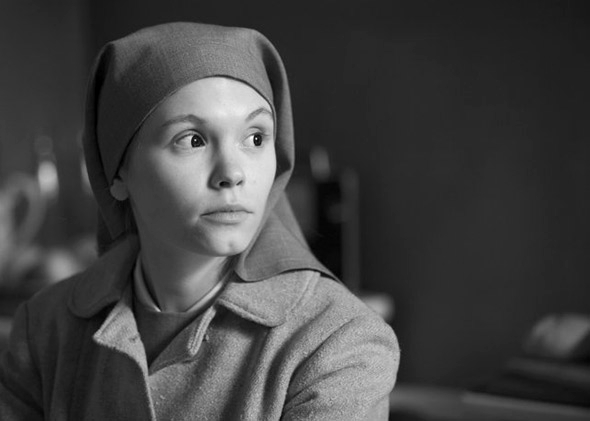
Ida Poland
Leviathan Russia
Tangerines Estonia
Timbuktu Mauritania
Wild Tales Argentina
I know many of the Johnny Come Lately prognosticators are going with the hipper than hip Wild Tales. But Ida was about the Holocaust. And it was genius. Yeah, I said it. And under 90 minutes. And about the Holocaust. #CaseClosed.
Chair’s Pick: Ida
Makeup and Hairstyling
winning by a nose … #couldnthelpmyself
Foxcatcher Bill Corso and Dennis Liddiard
The Grand Budapest Hotel Frances Hannon and Mark Coulier
Guardians of the Galaxy Elizabeth Yianni-Georgiou and David White
Something tells me it’s Foxcatcher. Not since Nicole Kidman’s nose in The Hours has talk about a film ever centered so much on…. Well, you know what I mean. Some folks are saying it’s a tech/design category and as such it’s got to be TGBH. I beg to differ.
Chair’s Pick: Bill Corso and Dennis Liddlard, Foxcatcher
Original Score
The Grand Budapest Hotel Alexandre Desplat
The Imitation Game Alexandre Desplat
Interstellar Hans Zimmer
Mr. Turner Gary Yershon
The Theory of Everything Jóhann Jóhannsson
This one feels unpredictable to me and if you’re betting, don’t gamble away the house. But there was something about the score of Theory that seemed to buoy the film beyond what it read like on paper and many others seem to agree. So –
Chair’s Pick: Johann Johannsson, The Theory of Everything
Original Song
“Everything Is Awesome” from The Lego Movie, Music and Lyric by Shawn Patterson
“Glory” from Selma, Music and Lyric by John Stephens and Lonnie Lynn
“Grateful” from Beyond the Lights, Music and Lyric by Diane Warren
“I’m Not Gonna Miss You” from Glen Campbell…I’ll Be Me, Music and Lyric by Glen Campbell and Julian Raymond
“Lost Stars” from Begin Again, Music and Lyric by Gregg Alexander and Danielle Brisebois
There is NO way the Academy will not take its chance here to give something to Selma. Besides, it’s a terrific song. Awesome, actually. #NoLegos.
Chair’s Pick: John Stephens and Lonnie Lynn, “Glory” fromSelma
Production Design
mr oscar… checking in…
The Grand Budapest Hotel Production Design: Adam Stockhausen; Set Decoration: Anna Pinnock
The Imitation Game Production Design: Maria Djurkovic; Set Decoration: Tatiana Macdonald
Interstellar Production Design: Nathan Crowley; Set Decoration: Gary Fettis
Into the Woods Production Design: Dennis Gassner; Set Decoration: Anna Pinnock
Mr. Turner Production Design: Suzie Davies; Set Decoration: Charlotte Watts
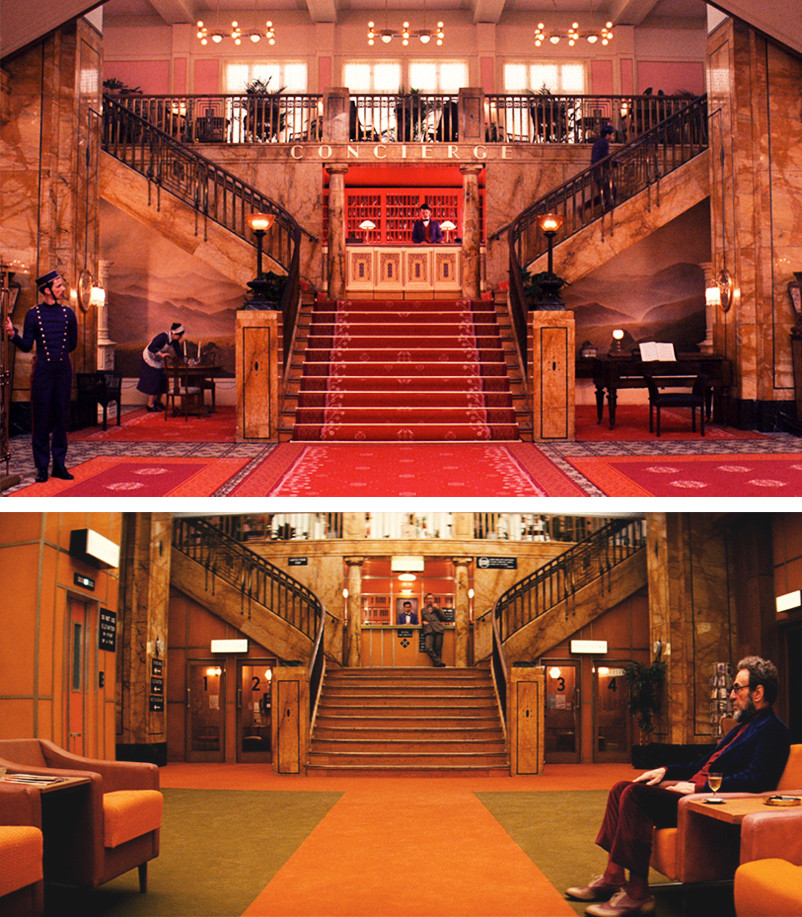
The Grand Budapest Hotel wins best original screenplay and not production design??? Well, the Oscars are just perverse enough to do that – except they won’t. Whenever you hope they’ll be perverse they inevitably disappoint.
Chair’s Pick: Adam Stockhausen, Anna Pinnock, The Grand Budapest Hotel
Animated Short Film
The Bigger Picture Daisy Jacobs and Christopher Hees
The Dam Keeper Robert Kondo and Dice Tsutsumi
Feast Patrick Osborne and Kristina Reed
Me and My Moulton Torill Kove
A Single Life Joris Oprins
There are several worthy entries here and this category is often a surprise – not to mention an Oscar pool spoiler. So NO ONE ever REALLY knows for sure. However, I did see Feast. There are a lot of dog lovers in the movie industry who credit the support of their furry friends for their best work. To not honor a film that does so would be just plain rude. #WeHeartOurAnimals. #AndOurVetsAnimals.
Chair’s Pick: Feast, Patrick Osborne and Kristina Reed
Live Action Short Film
Aya Oded Binnun and Mihal Brezis
Boogaloo and Graham Michael Lennox and Ronan Blaney
Butter Lamp (La Lampe Au Beurre De Yak)” Hu Wei and Julien Féret
Parvaneh Talkhon Hamzavi and Stefan Eichenberger
The Phone Call Mat Kirkby and James Lucas
Any time you get a basically two character short film about suicide played by actor/movie stars at the caliber of Sally Hawkins and Jim Broadbent – well –
Chair’s Pick: The Phone Call, Mat Kirby and James Lucas
Sound Editing
either a drum or a gun
American Sniper Alan Robert Murray and Bub Asman
Birdman or (The Unexpected Virtue of Ignorance) Martín Hernández and Aaron Glascock
The Hobbit: The Battle of the Five Armies Brent Burge and Jason Canovas
Interstellar Richard King
Unbroken Becky Sullivan and Andrew DeCristofaro
No one I spoke to or read really understands the true difference between these two sound categories or how they will shake down. But there is a consensus and it falls to firearms and the exploding of bombs – in real life and time.
Chair’s Pick: Alan Robert Murray and Bob Asman, American Sniper
Sound Mixing
American Sniper John Reitz, Gregg Rudloff and Walt Martin
Birdman or (The Unexpected Virtue of Ignorance) Jon Taylor, Frank A. Montaño and Thomas Varga
Interstellar Gary A. Rizzo, Gregg Landaker and Mark Weingarten
Unbroken Jon Taylor, Frank A. Montaño and David Lee
Whiplash Craig Mann, Ben Wilkins and Thomas Curley
I’d give it to Whiplash because of the intricate mix of music that significantly impacts the effectiveness of that multi-nominated film. But at the end of the day voters will also know it was equally important to always believe we were in the terrorizing middle of Iraq for us to feel the full impact of American Sniper. The gravity of the latter will outweigh the skill of the former.
Chair’s Pick: John Reitz, Gregg Rudloff and Walt Martin, American Sniper
Visual Effects
Throwing it a bone #2001reference
Captain America: The Winter Soldier Dan DeLeeuw, Russell Earl, Bryan Grill and Dan Sudick
Dawn of the Planet of the Apes Joe Letteri, Dan Lemmon, Daniel Barrett and Erik Winquist
Guardians of the Galaxy Stephane Ceretti, Nicolas Aithadi, Jonathan Fawkner and Paul Corbould
Interstellar Paul Franklin, Andrew Lockley, Ian Hunter and Scott Fisher
X-Men: Days of Future Past Richard Stammers, Lou Pecora, Tim Crosbie and Cameron Waldbauer
It’s not good politics for voting Academy members to fully ignore a Christopher Nolan film right now. I’m not entirely sure why and neither are they. But all things being equal, it takes some kind of visual effects to make you feel like you were floating in space for almost a full century rather than the actual two hour and 45 minute running length of the entire film. No, I will not go for the obvious joke.
Chair’s Pick: Paul Franklin, Adrew Lockley, Ian Hunter and Scott Fisher, Interstellar
If you’ve made it this far, you have our full permission to appropriate – or ignore – any or all of our picks. Check back on Monday to see how well or poorly I’ve done. And remember, when a test is especially difficult I, for one, always grade on a curve.
Don’t miss a beat with the Chair tonight as he tweets his way through the Oscars (Keep your cheat sheet closeby!)










 notes from a chair