I am employed by a college where I teach young people writing and give them advice about navigating life in their chosen fields and, in turn, the world.
I don’t know everything, or sometimes even anything. But overall, on a given day, I know a lot more than they do. Certainly, I’ve experienced more.

Contrary to popular belief, the role of higher education is not primarily to be a vocational or trade school. Of course, we want our students to work and we have an obligation to train them with skills that will allow them to make a living when they graduate.
But if you had a gun to my head, which it often feels like Zooming these days, I’d confess our number #1 job is to teach them how to think.
No, not WHAT to think, just TO think. For themselves.

Oh, of course they have thoughts and certainly they process them. But they’ll need to do more than that in an information age (Note: God how I HATE that phrase) mired in bullshit specifically conceived to convince and convert them to a certain point of view. Or to bury them in such a load of research that they accept as okay what they know in their guts to be seriously wrong.
If my students can recognize crap excuses, crap rulings and crap pronouncements on just about anything it makes my day. And when they manage to find a creative way to bust through a crap show and assert what’s true, that’s jackpot. Game over. My work is done here.

A current crop of insurgent students now attending the University of Texas at Austin is a case in point. Somewhere I assume more than a teacher or two in this liberal university town are privately gloating and cheering on the small but powerful way their young people are calling bullshit on the powers that be in control of the university they all pay handsomely to attend.
See, UT Austin’s alma mater song in 2021 is still a little ditty from 1903 called The Eyes of Texas (Are Upon You). The words of the tune were inspired by the words of a famous Confederate general rallying on his troops and it was first performed at a university-sponsored minstrel show in order to raise money for its track team at the turn of the century.
The 20th century.

Nevertheless, after a many months long study UT Austin president Jay Hartzell, he of the smiling, welcoming tieless photo complete with southern style pocket square, ruled in a terse statement that the songis and will remain our alma mater.
This might not seem like a big deal to an outsider but in higher education life symbols mean a lot. Heck, symbols and the protests or support they engender help define American life.
We are a country that loves imagery, from the flag flying above or directly AT and THROUGH the Capitol building on down. We use our symbols to interpret and express who we are, to the world and to ourselves.

That is why this story of this symbol in this weekend’s NY Times, as well as other writings in such publications as Texas Monthly, caught my eye. As a college professor it also made me wonder:
If we can’t even bench a minstrel show song at one of the largest universities in the country after a year of protests over the nine minute public execution of a Black man by a racist cop, where exactly ARE we at the moment?
Pres. Hartzell’s pronouncement was in keeping with the conclusions of the 58-page study he commissioned on the subject and was no doubt met with great praise by the many wealthy donors who threatened to cut off the financial spigot to his institution were he to conclude any differently. No doubt they were also pleased by the words in the report that said the song contained no racist intent. Ditto earlier pronouncements by Mr. Hartzell that the song should unite us in that it would hold them all to be accountable to their institution’s core values.

To me, the definition of bullshit is the same as former Supreme Court Justice Potter Stewart’s definition of pornography:
I know it when I see it.
And trust me, this university president is mired in it. Well above his kneepads.
Well, clearly someone (nee professors) at UT Austin is doing their job because lots of their students see it too.

Since the Hartzell ruling, half of this university’s hundred or so volunteer student tour guides, many of them white, quit. These are teens or early 20s who say they love their school (Note: Why else be a tour guide, seriously?) but could not in good faith walk people past UT Austin’s Admissions Center, on which a large plaque with The Eyes of Texas lyrics hangs prominently.
The president of the Texas NAACP and its members agreed and strongly voiced their opposition at a televised news conference. Then one of UT Austin’s oldest and most prominent campus service organizations held an online discussion in support of banning the song, which had to contend with a masked attendee with a gun who suddenly and quite purposely showed up onscreen in full intimidation mode.
Meaning, well, all of this is far from over.

The above should be painfully obvious to anyone who has half a brain about the evolution of social change. Just as the Cleveland Indians has finally acquiesced to change its name and mascot after decades of pressure (Note: To what, we don’t yet know), The Eyes of Texas will at some point no longer exist as UT Austin’s official alma mater.
But this little song, written by one university band member at the request of another who happened to also be the executive director of the school’s annual minstrel show and one quarter of the Varsity Quartet that first performed it, won’t exit the stage willingly.
Then again, neither has the Confederacy. It continues to live on in the form of this and so many other songs. Still, this tune does have the distinction of having been featured prominently in such classic Hollywood films as Giant, Viva Las Vegas and The Right Stuff, as well as at the inaugural ball of Pres. Lyndon Johnson and the 2007 memorial service for his late wife, Lady Bird Johnson.
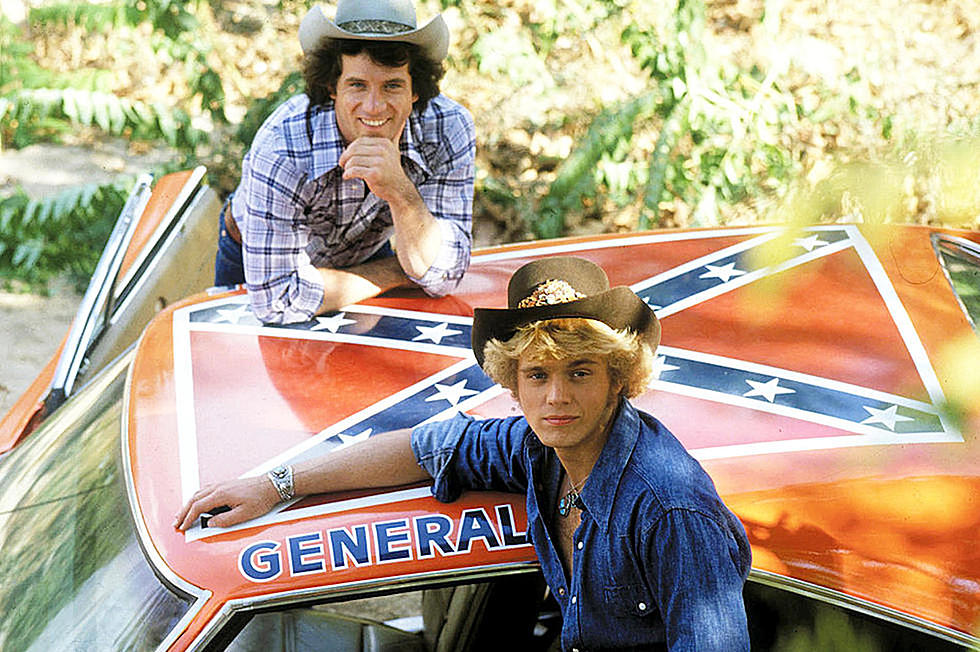
It will also, for the time being, be a thorn in the side of all persons of color who attend the school, and to many others, including some whites, at each university sporting event where it will be very proudly played and sung.
No doubt this will also particularly irk all of the Black legislators who lobbied hard to ban it, people who know all too well that the very nature of a minstrel show in turn of the century Texas means White people dressed in blackface spoofing them as dimwitted, lazy, happy-go-lucky buffoons with bugged out eyes and wide toothy grins.

If they have a kid there, or for some reason find themselves at a game, or another school event where this is tolerated they might even picture those reveling and singing that song sporting any one of the above accouterments while shuffling across the stage.
And we Whites wonder why so many people of color we know are so pissed off these days? Read the lines to the ditty with everything you’ve just learned (Note: Or better yet, sing it to its tune of I’ve Been Working on the Railroad) and tell me if you’d feel any other way.
The Eyes of Texas are upon you,
All the livelong day.
The Eyes of Texas are upon you,
You cannot get away.
Do not think you can escape them
At night or early in the morn —
The Eyes of Texas are upon you
Til Gabriel blows his horn.
And if your answer is still yes, be prepared to forever be called out on your BULLSHIT by people far better at it than I.