A Trauma-Less 2025

For those of us who have deep concern, and on some days panic, over the results of the recent election and the continuation of democracy in the U.S. – and that should be everyone even though it is clearly not – 2024 was a traumatizing year.

Or retraumatizing, if you’re like me and most of my friends.

This doesn’t even fully capture it

But not one without hope.

Counterintuitive, though those two thoughts might be.

Trauma has gotten a knee jerk eye roll response in recent years.  As if an emotional response to a distressing event that causes you to feel unsafe, frightened or overwhelmed is an unreasonable one, or means a person is weak.

Or, heaven forbid, too woke.

You said the secret word!

It is neither.  All it means is that you’ve had a personal reaction to a personal experience.  Not everyone is traumatized in the same way or by the same thing.  We might be able to agree on basic rules of extreme awfulness, nee trauma, that might occur but there can never be exact common ground on the effects it has on any one individual in its aftermath.

Similar as the human experience may be, we are ALL different.  For me, the key has always been to accept the differences and try to find common ground in our shared humanness.

It might help!

Easier said than done for me these days.

And most especially during the last two closing months of this year.

Ironically, this is where hope comes in.  

And NO, not the Pollyanna/Kumbaya false hope you get from a random catch phrase on a social media post or Notesfromachair blog  (Note: Though I suppose that could be a springboard to something…or even anything…positive). But the endurance, survival and likeminded human perseverance, and in turn victories, of those who have travelled this road before. 

too soon?

On Friday night I watched two end of the year Oscar contender films – A Real Pain and The Brutalist.  Yes, it was a double feature of Holocaust-themed movie screeners this weekend because that’s the kind of gay, nice Jewish boy at heart type of guy living in 2024 that I am.

One of my dearest friends in the world, whose death several years ago still tears at my soul, grew up with Holocaust survivor parents and at one time shared with me that the thing about the Holocaust is that you can never compete with it.  Meaning, to be a descendent of that traumatic tribe meant that it was likely not a thing, an event, or even moment in your life can ever be possibly as bad as what those people experienced.

And they know it too

That’s one of the reasons the subject comes up over and over and over again in art, in politics, in random discussions and, generally, in life.  It’s a benchmark for evil, for badness and for the worst.  

But the flip side of that is that it’s also an example of the best, the brightest, the strongest, the most clever and, when all else fails, the luckiest.  A version of what can happen when rational thought makes one believe everything is stacked against you and there is NO winning.

Even survival could not be winning.  

Except, of course, when it is.

I need to sit with that for a moment

A Real Pain poses the question of what parts and kinds of lives the descendants owe to the survivors.  No spoilers at all ahead but the basic, deceptively simple story is of two male cousins – played to perfection by Kieran Culkin and Jesse Eisenberg, the latter of whom wrote and directed — who go to Poland to visit the home of their recently-deceased survivor grandmother.  They grew up together but these days couldn’t be more drastically different.  Yet, like so many of us, they are surprisingly, and very humanly, similar.  It’s just that they’ve processed their lives, responsibilities and individual DNA leanings quite differently.

The film is funny, uncomfortable, a bit off and unceasingly, perhaps even a bit dis-satisfyingly, true.  Which is what gives one hope while watching it.  Somehow you get the idea that those existential questions that have periodically crept into your psyche and haunted you, equally do so to others who are similarly just getting by in those moments.  

Finding common ground

And you don’t need to have any familial relation to the BIG trauma to grab onto the small shards of hope offered to anyone trying to see some small rays of possibilities into 2025.  Everyone is always grasping for straws through the big, the small and everywhere in between.  We all are.  And many of us manage to get through it, albeit in our own ways and with our costs.

I so wish my dear friend were here to see.  And discuss.

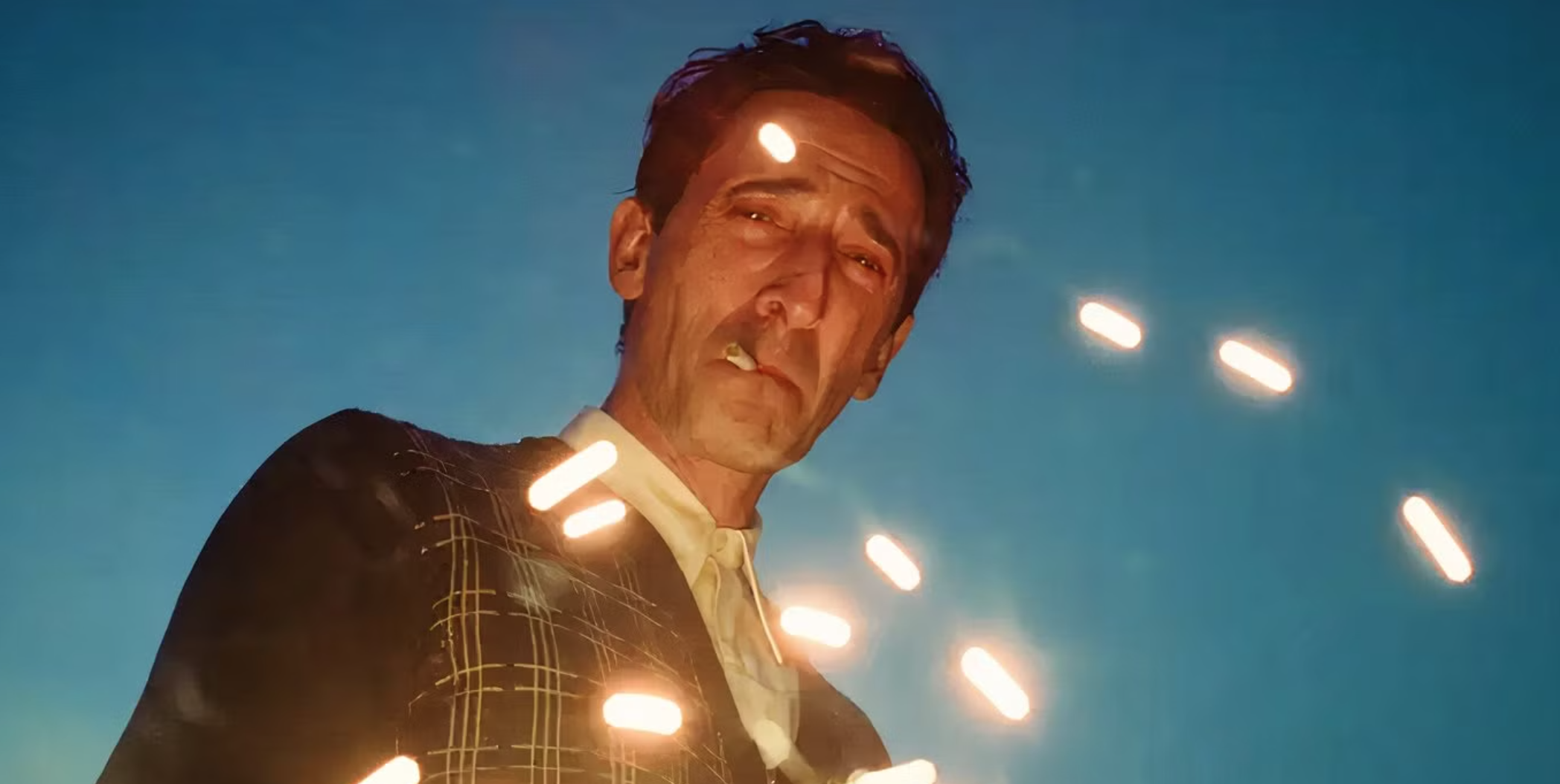
As for The Brutalist, it is a more sweeping, epic look at a survivor’s life in America, a brilliant and very flawed architect and how he makes his way, and his mark, through the 1940s, 1950s and beyond as an unsavory yet revered, othered yet in-demand, disrespected yet, at times, surface-ly respected, IMMIGRANT. 
The Oscars will be calling

Stating its “sweepiness” and “epic-ocity” is technically true but in all honesty it is equally false.  It is, in fact, quite familiar a story of today in terms of tolerance, fame, trauma, American exceptionalism/non-exceptionalism and, most of all, love.  Of many kinds.

But more than anything of oneself and why that particular emotion is so difficult for any one of us given our varied sets of experiences, nee traumas.

Let’s not say anything more than that except to marvel both at Adrien Brody’s key central performance and how a film can simultaneously be so obtuse and yet so ultimately crystal clear all at the same time.  With his famed and boldly prominent nose (Note: The ONLY stereotypical Jewish calling card I happened not to get), not to mention his thick European accent and intense intellectual swagger, this character’s “otherness” in that period of time enters the room practically before he does. 

Compliments all around

What would make him charismatic and riveting today are merely passing social oddities in the United States during the time that he lived.  Much in the way particular features today define people as exotic others within their individual ethnicities in 2024.  As I joked with one of my trans students privately (Note: Who would not mind me sharing this), it’s the luck of the draw who gets THE golden ticket of otherness every five years. 

Too often in America, Black people had it, only to drop to the #2 spot, and then get it tossed back to them.  Gay men had it for a while in the 80s.  Non-white skinned immigrants had it from 2016-2020, only to drop down a tad and get it back again during election season.  Though this year the Trans community seems to have captured the top spot beside them, for however long that lasts. Hopefully not four years.

None of it means anything, except that it means everything.  

Say it louder!

Which explains why in the world of The Brutalist it’s not so much that Mr. Brody’s famed and fictional architect survived the Holocaust but how he lived to make it through America in such an admirably flawed and particularly prominent way, that intrigued me.  

And gave me hope into 2025.   

Though who am I except a gay, Jewish man, of a certain age, with a small nose.  

Join me!

Happy New Year everyone.

And remember to laugh.

Violet Orlandi – “You Can’t Always Get What You Want”
Once Upon a Pride

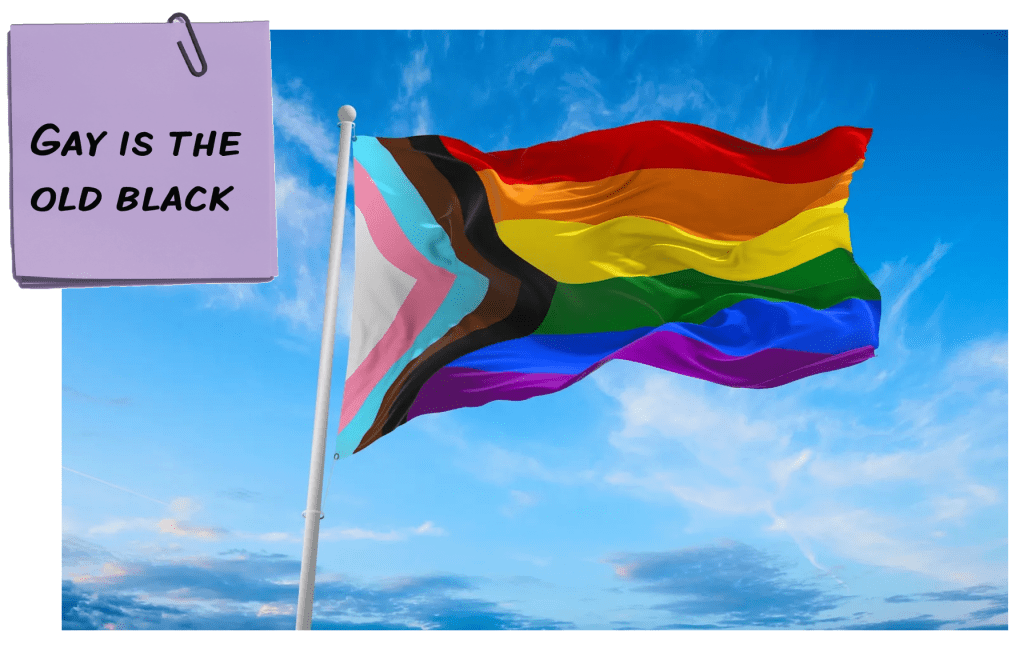
June has been dubbed Gay Pride Month and you know what that means. 

Woo!

Well, okay, it means many things.

But among them is the launch of and spotlight on anything having to do with the LGBTQ community, a 30-day period where we are discussed, referenced, represented and respected. 

Okay, mostly respected, because there will always be haters of any marginalized group.  This is true even in the case of women, who happen to be in the majority of the U.S. population (Note: 50.52% to 49.48%).

And yet here we are again

Nevertheless, power is not always a numbers game.  That is why any number of us groups of people who consistently get picked on, nee marginalized, many of which I find myself a member of (Note: Gays, Jews, nerds, height challenged and old(er) among them) have had to get loud, annoying, crafty and smart in order to survive.

But let’s stay with the gay of it all.

Or shall I say queer?  Or LGBTQ plus, plus, plus.

Who can keep up?

which brings us to…

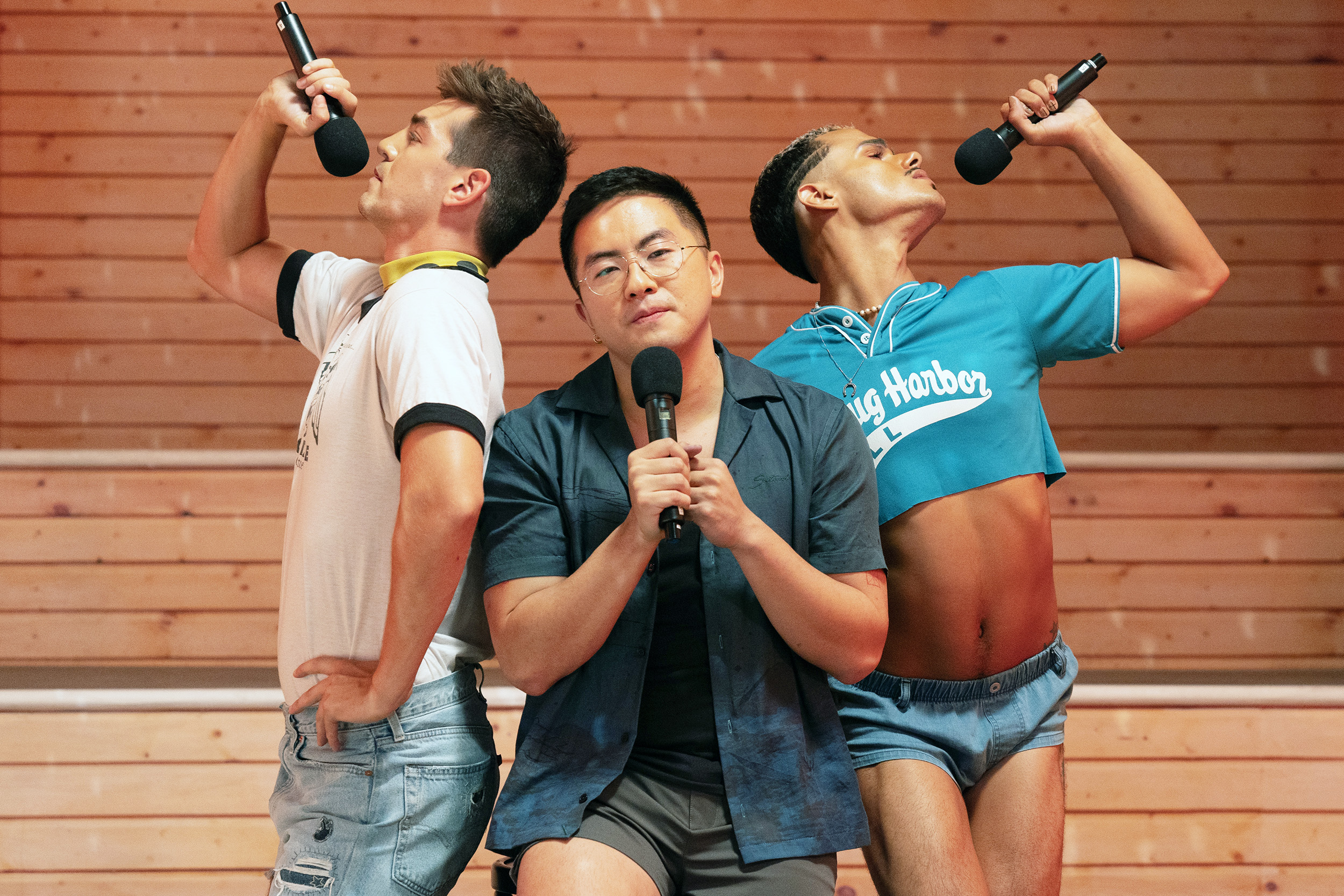
A new film from Fox Searchlight opened/dropped on Hulu this Friday called Fire Island, a romcom with a handful of very, very, VERY light dramatic undertones.  It stars two gay Asian men and has a multi-ethnic mostly LGBTQ+++ cast playing friends and frenemies experiencing a week of fun, frolic and life lessons at one of the most renowned gay vacation spots on the planet.

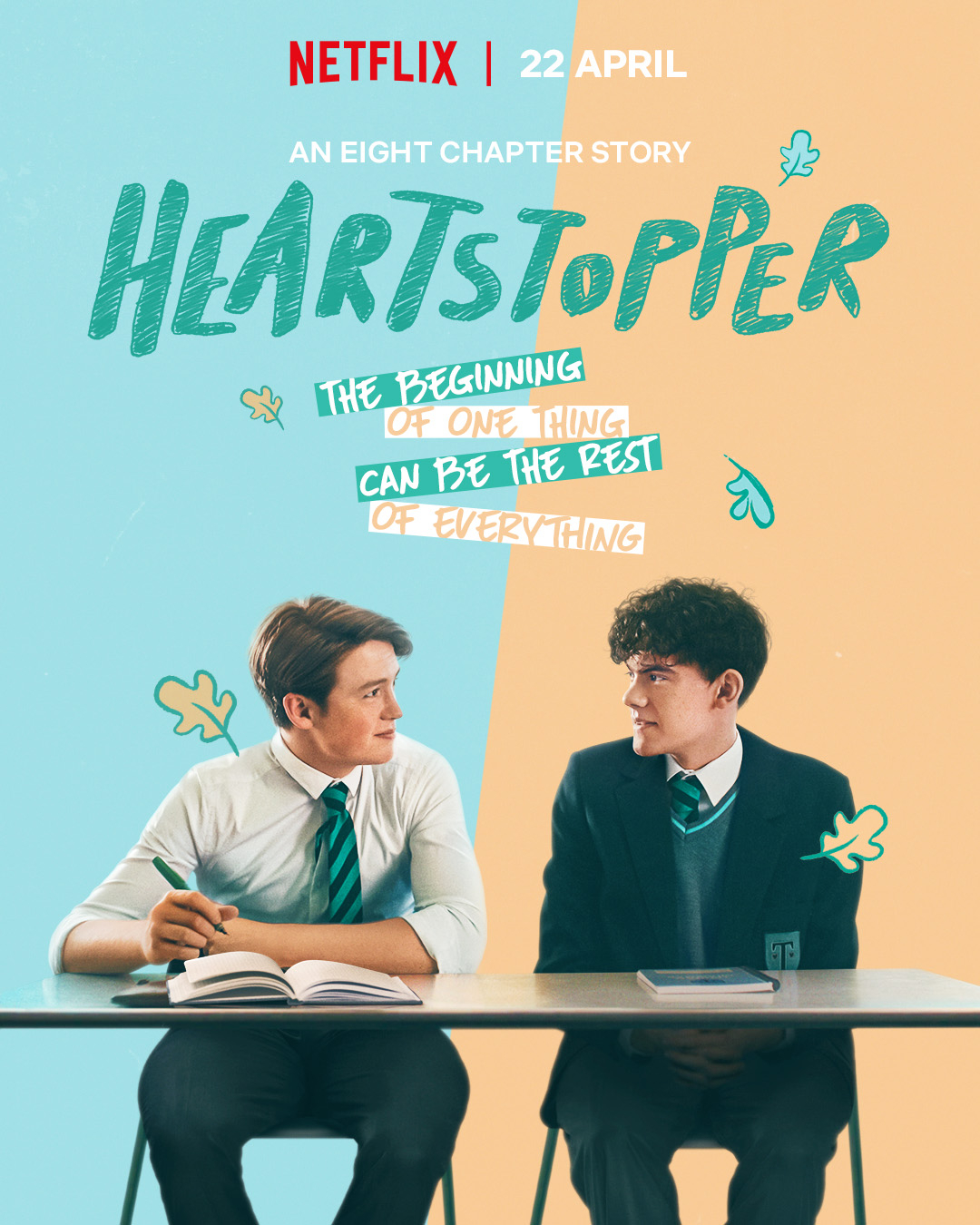
It’s niche but it’s not, not really.  There are now dozens of movies, TV shows and limited/streaming series with LGBTQ characters of every sort and, in the last few decades, we’ve gone from being the comic relief and/or supportive friend to full blown leads.

Take this absolutely adorable example

It’s far from perfect but what is progress anyway if not a two steps forward, one step back proposition?  I mean, there was a time not so long ago where many in the U.S. figured that once a Black man was elected U.S. president and served in the White House for eight years that the country would…

Oh, never mind.

It will surprise no one my age and likely everyone under 30 years old to know that when I was a boy growing up in the late sixties there were ZERO gay characters on TV series.

Here’s whom we had:

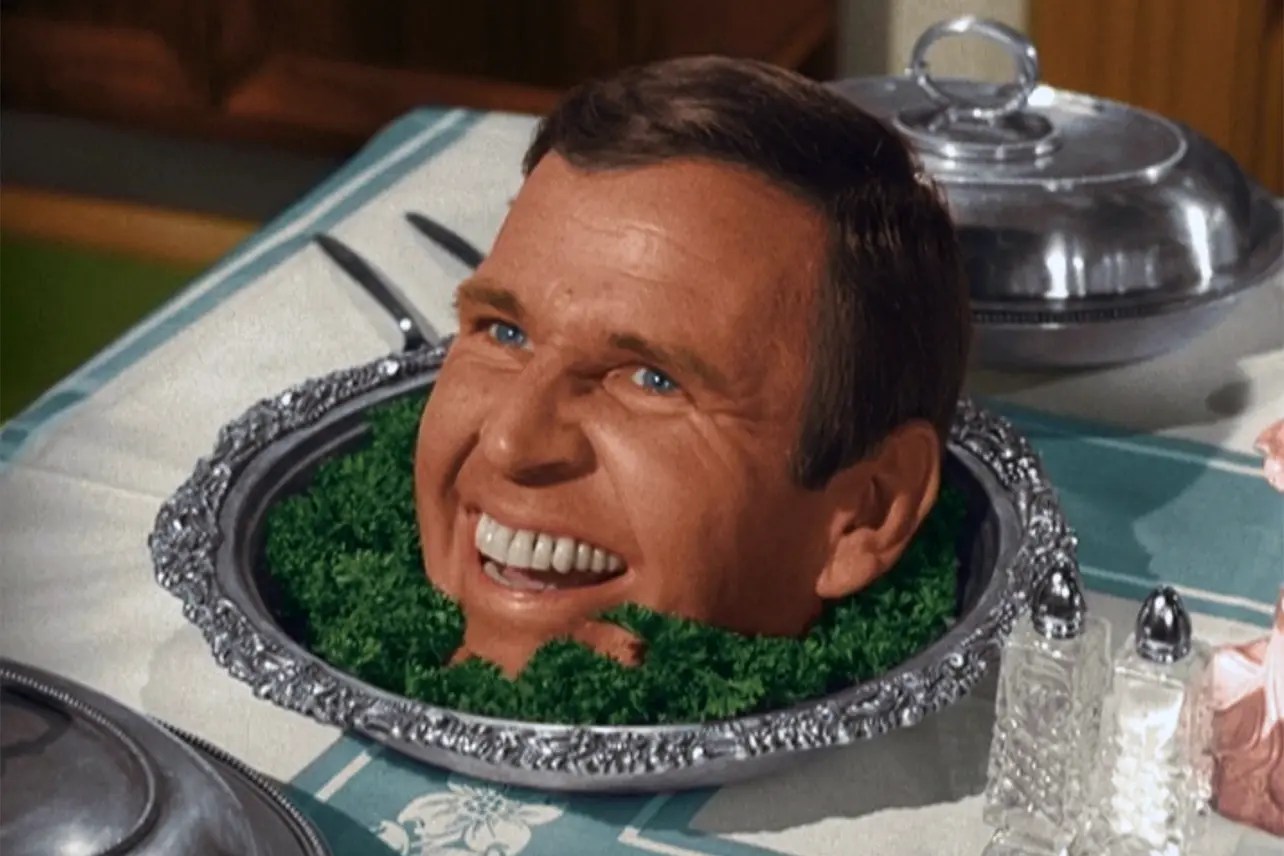
– Actor Paul Lynde, the center square on the game show The Hollywood Squares (1966).  A saber-tongued wit that was so quick, cunning and cutting that no one in their right (or wrong) mind would f-ck with him.

He’d also pop up on Bewitched as our favorite Uncle Arthur

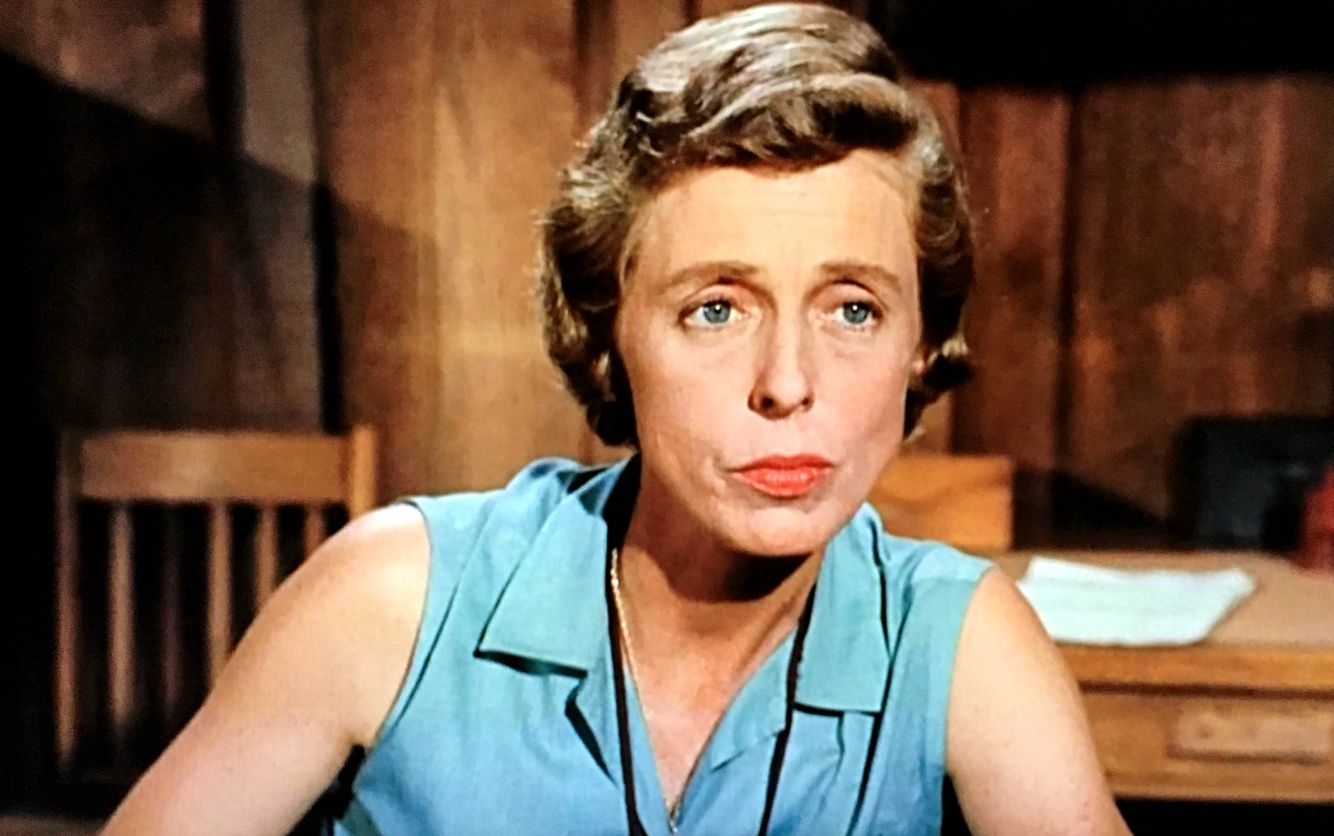
– Nancy Kulp, an actress who played the smart and long-suffering character of MISS Jane Hathaway, the real brains of her banker boss on the half-hour comedy The Beverly Hillbillies (1962-1971)and…

And let’s not forget her turn in Haley Mills’ Parent Trap!

Charles Nelson Reilly, the famed actor-director who was a series regular on The Ghost and Mrs. Muir (1968).  He played Claymore Gregg, the wacky yet caring great nephew of the ghost that haunts the seaside cottage he rents to the lovely yet classy widow Mrs. Muir and her two extremely adorable kids.

Lest we forget his legendary run on Match Game

Mr. Lynde, Ms. Kulp and Mr. Reilly were all gay in real life and it is a testament to their honesty, talents and personalities that they created people and personas that let us know they were fun and, ahem, different at a time when you could never openly say you were, ahem, different, to the masses.

Certainly, you couldn’t do it openly or even directly.  Yet somehow I knew and, as I would find out over the years, so did every other gay friend and acquaintance, as well as some very savvy straight ones. 

What they were telling us was that even if you weren’t like everyone else at least you could be…entertaining!  And intelligent, gainfully employed AND enjoy your life.

And be fabulous!

If that doesn’t seem like enough, and it certainly wasn’t, it was still A LOT back then.

Even as a pre-adolescent who didn’t yet have a name for what I suspected I was, I figured if being the smartest person in the room, the center square or the landlord was the best that could happen, well, that’d at least be something – and worth surviving for.

Even now I feel humbled for having learned that lesson and pride to have lived, persevered and thrived to heights I never could have imagined at that time.

… and can laugh about it!

Decades and decades of TV and movies and streaming shows (Note: The latter being the true hybrid of the aforementioned two) have since followed to the point where now being LGBTQ is no longer coded, often embraced and almost always integrated into the whole of whom those people are that we are watching.  And in those moments that it isn’t, it is, these days, almost always done for dramatic effect, not because LGBTQ+++ creators can’t or won’t do it for fear of mass career and/or pop culture reprisal.

It is difficult at this moment to come up with a single network or studio that at some point has not released some content with an openly LGBTQ plus character.  (Note: Ahem, even the conservative skewing Hallmark Channel?!)  Also, a coming out journey is no longer the required centerpiece of how each of them are presented (Note: Not that there’s anything wrong with that, either).

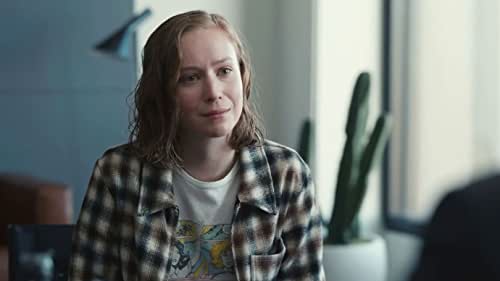
See: Ava on Hacks (watch season 2 now!)

A faux naughty romp fest like this week’s Fire Island might not be the gold standard for LGBTQ plus content, but it doesn’t have to be anymore.  It can simply exist as a diversion, or a dislike, or a meh or even a niche only love and not ruin the chances for every proposed project with gay content that comes after it. 

Progress?  I’d say so, as well as in one other way.

Fire Island is not even so much about being gay but rather about class, as well as a touch about race. The drugs and the sex it features might still seem a bit far out for some but in a strange way the film also never goes far enough in what it seems to really be trying to say.

It can just be fun.. you know?

That for many city gays, and others, it is not so much being LGBTQ anymore but existing in a community that marginalizes you by class, or the color of your skin, or your looks or your view of sex, romance and commitment.

The issues and challenges in most every other subset of a community, or in the entire community itself. 

We struggled for acceptance and representation and to some extent we gays are now in the process of having it onscreen.  We get to be shown, both rightly and wrongly, as pretty much every other niche group rather than being the love (or the person) that dare not speak its name.

What we need to do now is figure out a way to bridge the gap in real life.

and continue the fight

To continue to be our smart, entertaining and cutting edge selves.  But to also open up our bank accounts a bit more and to once again take to the streets when it’s necessary.  And it is.

A new movie or TV show alone isn’t going to help openly transgender high school athletes in Ohio and Florida who might be banned from playing for their teams or the gay teachers in red states across the country once again being branded as immoral threats to the children they teach who nevertheless adore them. 

To merely be seen these days is not enough.  Not nearly.

Muna – “Sometimes” (from Fire Island)