It’s the Movies for Me

Sometimes I’m astounded at the impact movies have made on my life and the inordinate amount of time I’ve spent watching them.

This is particularly surprising to me because as I kid I watched a lot more TV than films and in my early teen years certainly spent more time obsessing about singer-songwriters and their relentless existential introspections. (Note: I came of age in the early seventies when this was all the rage).
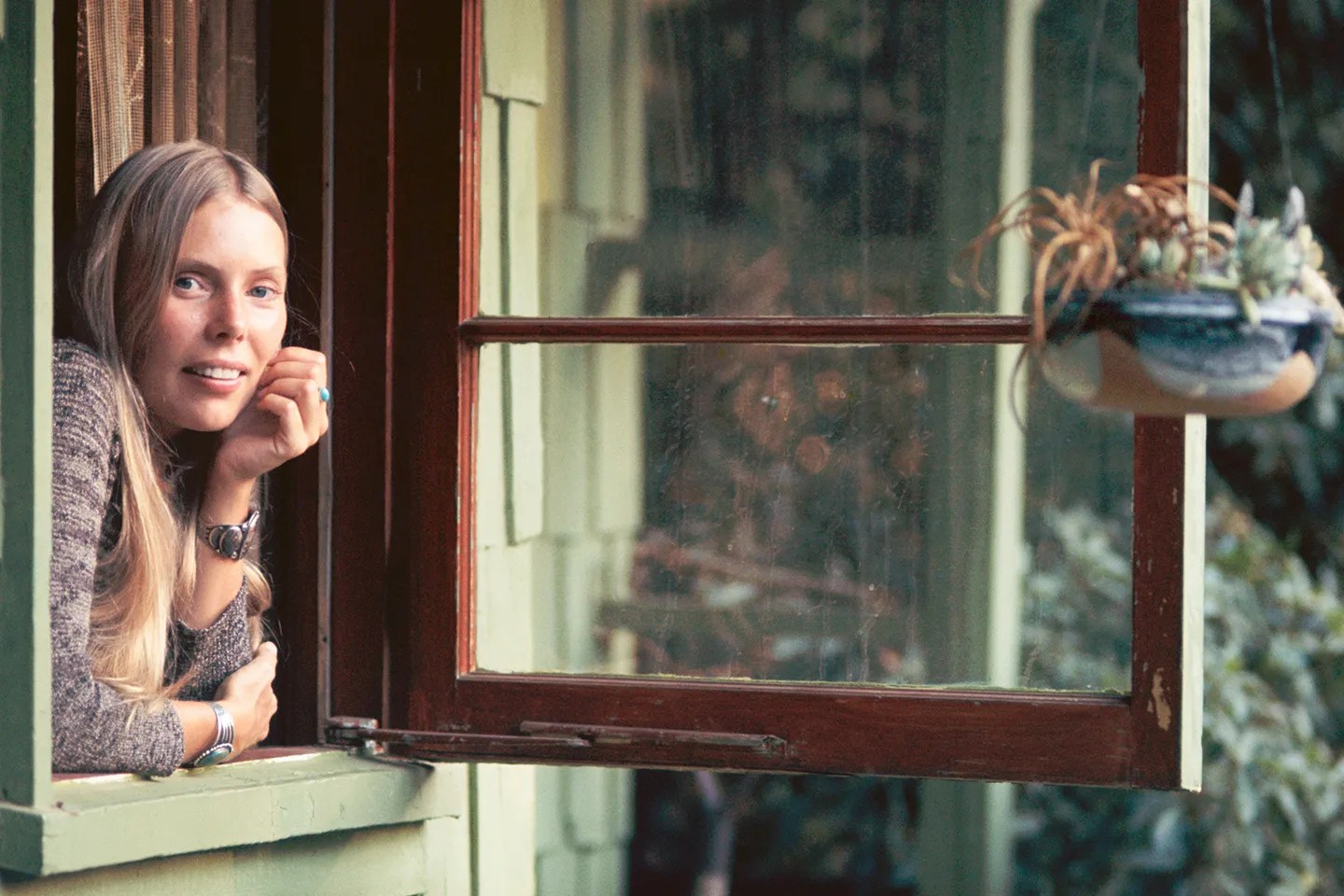
Just me and Joni hanging in Topanga Canyon

Ditto Broadway musicals. 

I am not going to once again write about my Dad telling me he would get us tickets to see anything I chose for my 11th birthday as my first experience at the theatre (Note: A rarity since my family went practically nowhere as a group and my Dad and I had even less than that in common). 

Or that somehow I chose Mame.  Ahem.

Ang was my spirit animal

I will only comment to future 11 year olds that my father likely knew me better than I thought.  Or, at least was trying.

Yet somehow this all shifted as I became an adult.  Sure, I remember having my life changed when I saw Mary Poppins as a kid on the big screen or how I looked forward to the then only once-a-year showing of The Wizard of Oz on TV (Note: Yeah, that was also a thing).
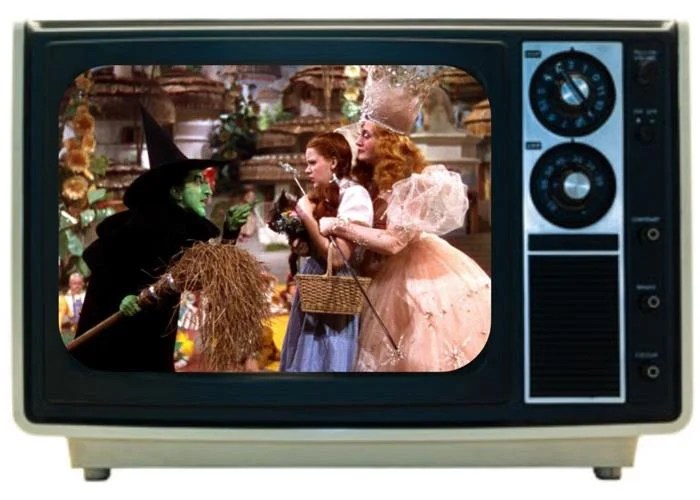
OK but it didn’t look THIS good

Or the time young teenage me found Lana Turner’s Madame X on NYC’s Million Dollar Movie (Note: Channel 9 or Channel 11, I can only recall they showed it all day and night) and I obsessively watched it four times in a row.

Ahem.  

Times 12.    
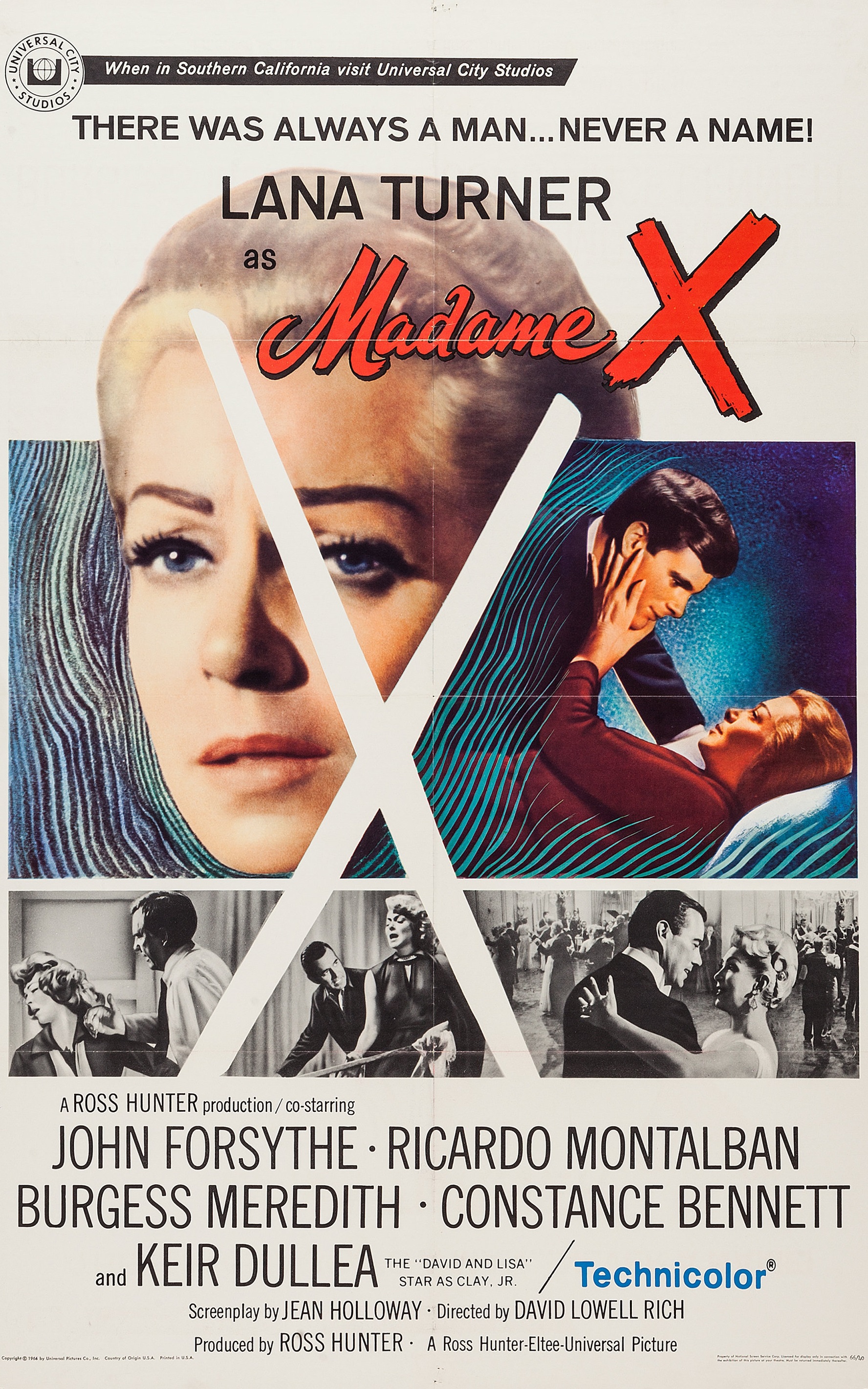
Even the poster is DRAMA

And let’s hear it for the sensitive, overly-theatrical lads. 

But that’s not what I’m talking about.

There was some moment where movies began speaking to me most personally.  A time when the immersive experience of sitting alone in your thoughts at a movie theatre, yet surrounded by people who for me, most of the time, might not as well have been there but luckily were there, supplanted everything.
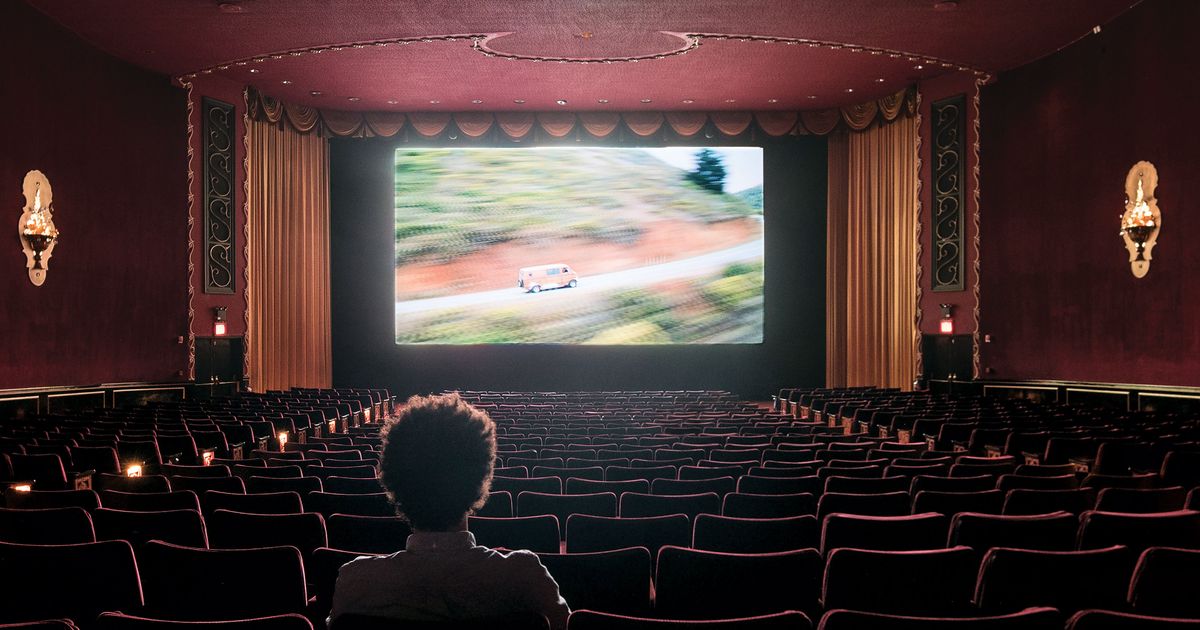
How it felt

Part of it might have been the waiting in line (Note: I can still remember three plus hours in freezing cold Manhattan waiting for tickets to The Exorcist and bonding with a ton of waaay cooler people than myself also desperate to be scared “to death.”).

But more likely it was that films had a way of making everything bigger and more important than anything else in the world because they were literally HUGE. 

So I learned pretty quickly that movies could address your fears, your hurts and your yearning for happiness, albeit in a somewhat ironic, funny yet loving way and SUPERSIZE your personal concerns in a way that you KNEW they deserved to be.

Almost like they’d come out and bite ya

Films were way better than real life.  They BECAME real life.  Or real life experiences, at any rate.  I often found that for those who didn’t understand me fully, I could simply recommend a film that dealt with my “issues” and refer it to them to watch if they wanted to know in a very real sense what truly concerned me.

It wasn’t the be all or end all.  But at least it was a starting point.

I’d forgotten about this because in the last few decades movies, as a whole, have changed a lot.  Oh, of course there are still great films, meaningful films, and every year there are more than a handful that speak to me personally.

but otherwise..

But it wasn’t until my friend Ray Morton reached out to me via Facebook in a challenge where you have to publicly post ONE MOVIE IMAGE per day for 10 straight days with NO COMMENT (Note: The latter being the toughest part for moi), that I began to once again recognize the impact of the films I chose.

Maybe impact is not the correct word because it wasn’t so much that I was shaped by them.  It was that I felt they represented me or that somehow they saw me or read my mind at a particular place in time.  I didn’t plan ANY of my picks, I just posted what came to me that day.  But as I peruse the list on this final day of the assignment I’m astounded by the personal resonance of the list.

duh!

It’s not that these are the best movies I’ve ever seen (Note: Though they are pretty great), that I couldn’t name ten more that were ever better, or more sophisticated, or more dramatic, or funnier, or more….more, more, more. 

I could.   And you could.

But I stand by my list because in a purely knee jerk, visceral sense they are there for a reason.  They are, or were, ME.

The Way We Were finally made me realize it is not enough to love someone, or for them to love you, for a relationship to survive.  (Note: And it only took me eight viewings over 20 years to get that).

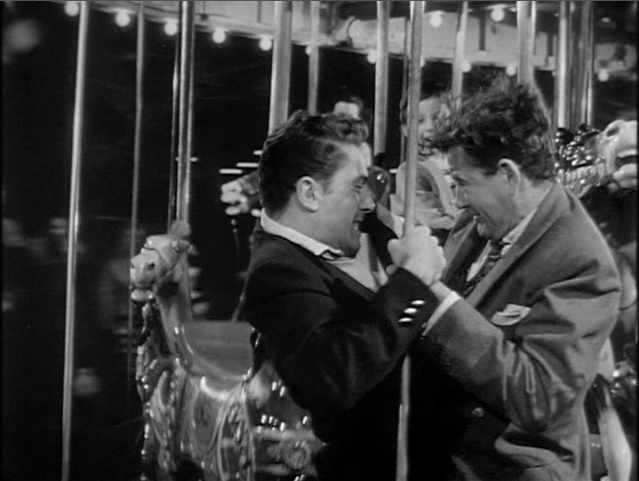
Strangers On A Train showed me that I was not as crazy I thought and that if I thought my family was really crazy, well, think again.

Blue Velvet taught me you can write serious movies and be as sick and funny and twisted as you like as long as you’re committed to your world and your characters.
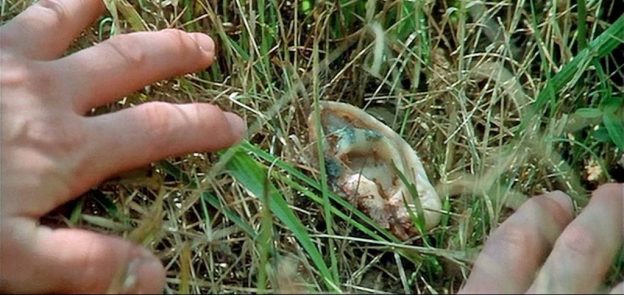
… and all it took was a severed ear

Women On The Verge of a Nervous Breakdown made the newly humorless and bereft me laugh for the first time in a long time amid all the death and condemnation and destruction at the height of the AIDS crisis.

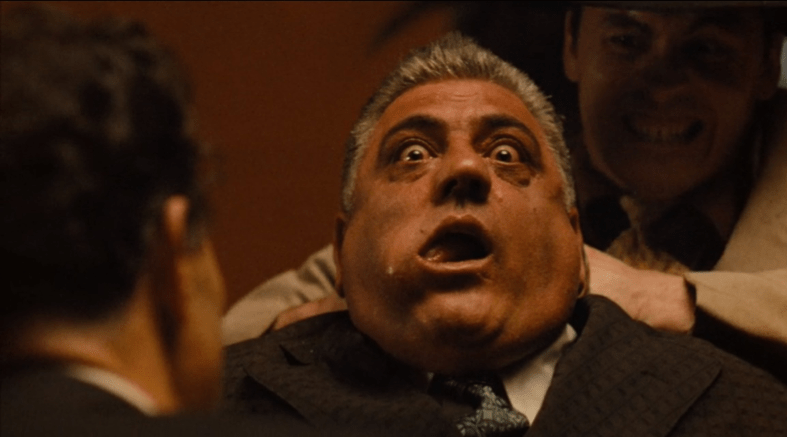
The Godfather provided the gold standard of storytelling for an aspiring storyteller and made me confident that my obsession with dysfunctional family dynamics had nothing to do with being Jewish and gay.

add in unforgettable lines too

Brokeback Mountain allowed me to cry (A LOT) and appreciate what I had and was likely in peril of taking for granted.

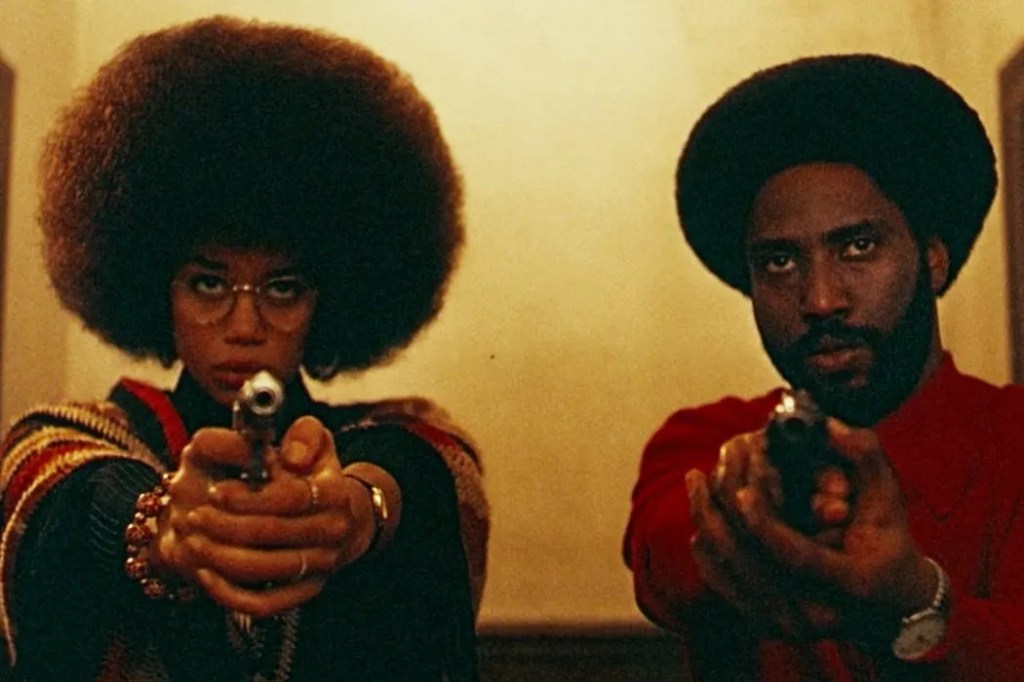
BlacKkKlansman made me angrier than I’ve been since the eighties about how f-cked up the U.S is; showed the absolute default privilege you get (Note: I got) for being white; and reinforced my constant desire to waterboard (Note: But not kill, that would be too nice) every person supporting the orange sh-t stain.

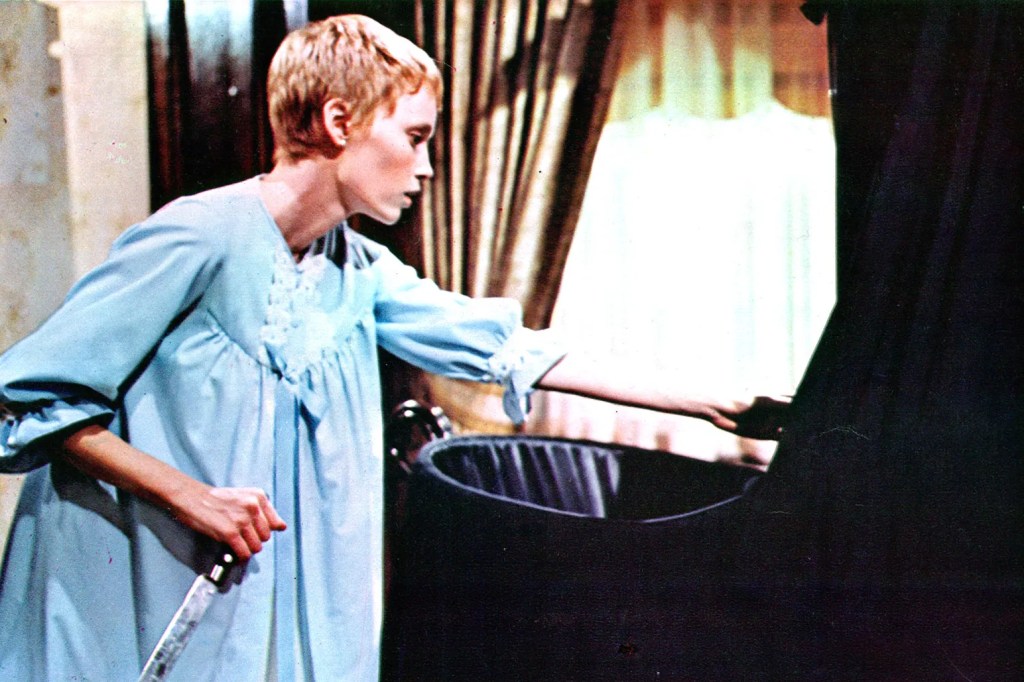
Rosemary’s Baby brings back just how much I still  love the visuals of the sixties and why, deep down, I was right to be suspicious of almost everybody.
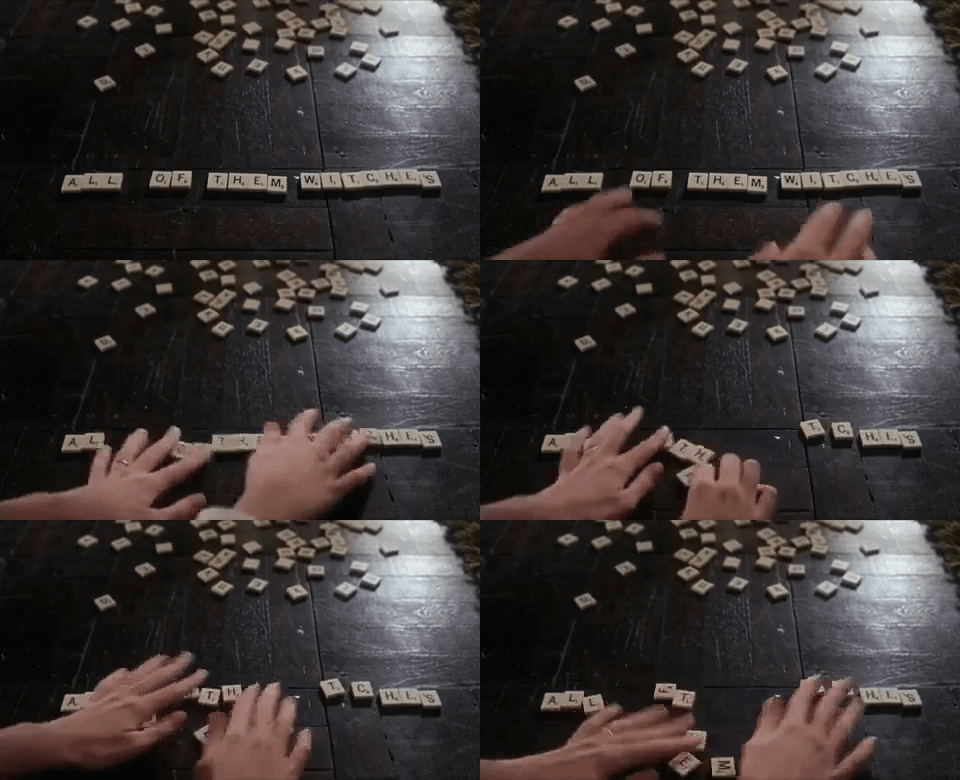
This is evergreen

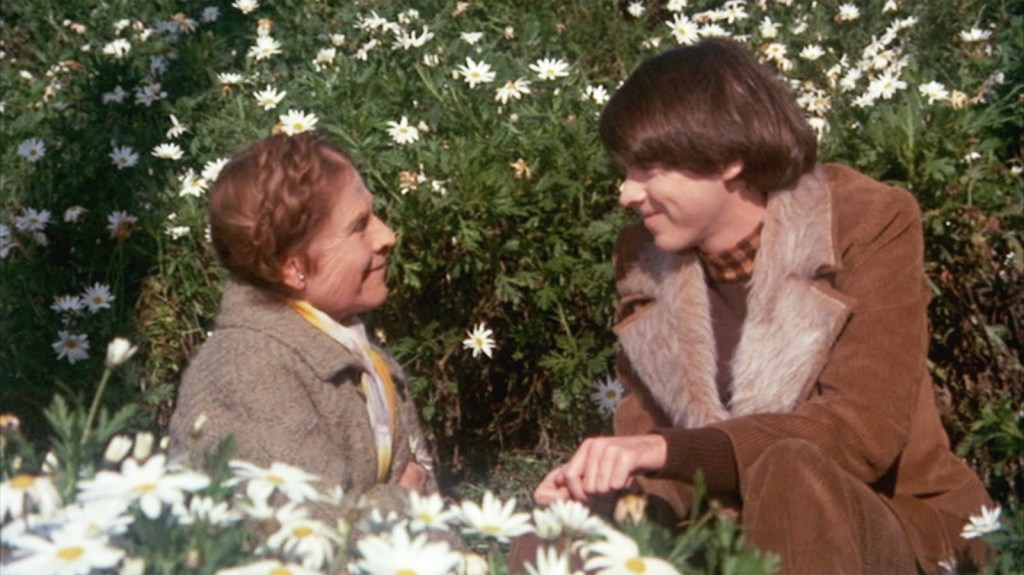
Harold and Maude told me your teachers and lovers always appear when you least expect it and in the strangest of ways.

and

La La Land is an endless, dizzying, constantly morphing dream of too many things to count, many of which you are likely not to achieve in the way you thought, certainly not in Hollywood.  But that there are far worse things than being a dreamer.  And nothing better.

Cass Elliot – “Dream A Little Dream of Me”

This is US

[ABSOLUTELY NO SPOILERS AHEAD… PROMISE]

The best part of Jordan Peele’s Us is how the filmmaker continues to subvert audience expectations by simply being himself and showing the world as he sees it.

In this case it is watching a family of color as our principal protagonists, nee heroes, as they fight the inevitable monster and carnage that threatens to engulf them.

Not creepy or anything #runsaway

More importantly, it is the relegation of the white couple to the traditional role of the best friends who you know will appear and reappear at will when some comic relief or convenient plot device is needed.

In this way Us is a totally original mainstream reinvention of the horror genre that is very much in the tradition of Peele’s groundbreaking Get Out.  Our view of the upscale suburban nuclear family to which very bad things will happen is no longer beige but color-corrected.

Yes, Ru!

The fact that this is about all that has changed from the usual is both the film’s strong point and its weakness.  Many contemporary horror films already have a patina of social commentary and Us is no different.

It spoils nothing about Us to say that in initially taking us back to 1986’s Hands Across America campaign, where a multicultural human chain was created in cities across the United States to raise money for charities that helped people in poverty, we are being set up for the inevitable “but has the world really changed” question by the end of the film.

The attempt to make this well-to-do Black family just as human as any white family in any horror film – that is to say a bit too two-dimensional and self-satisfied – succeeds as well as it ever has.  The characters are just as clueless, oblivious and bereft of individuality as any white family in a similar social class or big screen genre entertainment.

but still not as horrifying as this #isit2020yet

It’s sort of the way I initially felt watching gay culture become mainstreamed in the eighties and nineties and beyond with the advent of Will & Grace, Ellen, Don’t Ask Don’t Tell and Marriage Equality.

Well, I guess we really have arrived, I recalled thinking.  Now we can be just as average as everyone else.  Hallelujah!

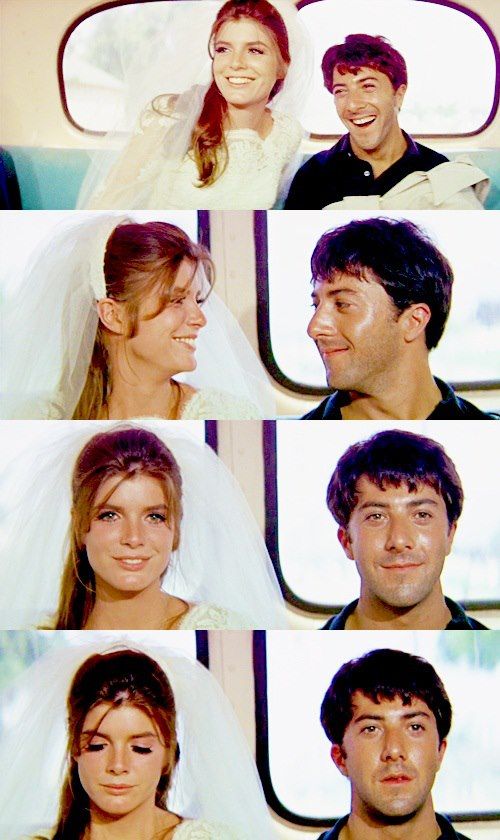
Never mind I was also simultaneously seeing myself like Dustin Hoffman/Katharine Ross at the end of 1967’s The Graduate – two people who get EXACTLY what they wish only to be left wondering, Well, uh, okay.  You mean now this is my…reality?  

Uh oh

Of course there ARE many more benefits to being able to finally get married or serve openly in the military than there are to being front and center in a horror film (Note:  And as soon as I can think of one I’ll let you know….Oh, KIDDING!!!).  But if movies are indeed one of the most enduring and mainstream social chronicles of who we really are, it’s hard not to hope for just a little bit more.

After all, George Romero’s seminal Night of Living Dead gave us a Black hero as far back as 1968 and became the social commentary scale against which all horror films got measured.  I can recall finally seeing it as a teen some years later on television and being blown away at its message (Note: Don’t hate me, it was the seventies) and audacity.  So is it too much to ask for a little more than that of the genre some fifty plus years later?

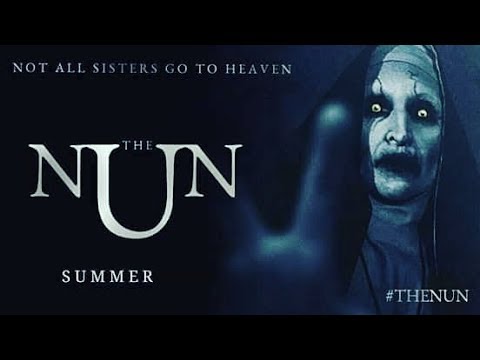
Enough with the scary Nuns.. really #dobetter2019

In fairness, Romero has stated publicly that the reason that his lead actor in Night was Black mostly had to do with the fact that the actor, Duane Jones, was simply the person who gave the best audition.  Nevertheless, with a budget of $114,000 and an international gross upwards of $30 million it’s hard to imagine the director-writer didn’t know he was on to something.

This is what happens sometimes in moviemaking, happy accidents of instinct where the choices one makes pay off creatively and financially far better than anyone could imagine.  One could argue the same is possible and true today, but not as likely as when your budget is $20 million plus a helluva lot more than that in marketing.  Not to mention all of the release dates you have to meet (which includes both film festival and distributor/exhibitor bookings) AND the sophomore jinx trifecta of a best screenplay Oscar win, critical plaudits and box-office breaking success in an auteur driven film, your first, in the horror genre.

No Pressure for Mr. Peele

Sure there are countless worse problems in the real world than the success of Get Out but few if any of them are effectively addressed in the onscreen story of Us.  Instead what we get is a lot of talk about the Freudian concept of our shadow selves and the consequences of such when these darkest impulses are either indulged or ignored.

It’s an interesting discussion for an abnormal psychology class but not quite the stuff that drives a good or even great horror flick.

What does give Us its engine is a bravura performance by Lupita Nyong’o, one part troubled but relentless Mother Hen and the other part vacuum cleaner-voiced scissor sister with an internal moral compass known only to herself.

We don’t deserve you, Lupita

It kind of reminds you of a 2019 version of Rosemary’s Baby where Mia Farrow is given the chance to portray both herself AND the Devil.  (Note: And, um, NO, Lupita does NOT play the Devil in Us.  There are NO SPOILERS HERE for the umpteenth time!).

Much as I adored Rosemary’s Baby I was sort of hoping for more in Mr. Peele’s second time out.  But perhaps this is being unfair to him.  After all, Rosemary’s Baby was based on a best-selling book of cutting social satire by novelist Ira Levin that was expertly plotted and insanely insightful.  A story that dealt with another upwardly mobile couple/mother Hen in a foreboding time period in America that similarly used the horror genre to address dark privilege, the righteous anger of those who have been discounted by it and the chains that will forever tether the two together.

Hmmm, sounds awfully timely to me.  And perhaps this time the film and novel from which it springs could literally be political?  Though maybe that’s way too obvious.

Luniz – “I Got 5 On It” (from the soundtrack of Us)