
The best stories are the personal ones and your version of your truths – as you see, feel or overall experience them – will make your best stories.
This in no way means that any great story you tell needs to be true in the traditional sense, or even needs to be one you’ve experienced first-hand. In fact, all it really requires is for you to capture the spirit of what you believe is the absolute truth in that moment.

That is the selling point. If you truly would swear to it down deep in your soul (Note: Or convincingly appear to until the point that you actually do) and can trim enough fat off so that it is boiled down into something simple and essential, well, chances are you will convince more people than you can imagine along the way.
This goes for everything from vacuum cleaner sales and earnestly told short stories to public charlatans seeking to lead, and then perhaps to re-lead, nations of, say, 330.6 million people.
I’ve been preaching this to my writing students and to myself for years. (Note: Not the faux leading part). A philosophical truth might not be reliable, but certainly YOUR truth is. How can it not be if you’re truly being honest with yourself?

If this sounds a little pretentious, well…that’s absolutely correct! You can’t have deep thoughts about anything without being a little full of YOURSELF.
Objectively speaking.
This seems an excellent way to approach watching the infinitely watchable, fascinating, occasionally infuriating and impressively resonant new Netflix film, Mank.

Directed by David Fincher and first written by his late journalist father Jack Fincher almost 30 years ago, Mank purports to tell the origin story of what many critics still see as the greatest film ever made, Citizen Kane.
Long credited as the brilliant auteur work of its then 24 year-old director, producer, star and co-writer, Orson Welles, Mank tells us a different story.
It is the story of how Hollywood screenwriter Herman J. Mankiewicz, an alcoholic and affably brilliant rogue/mensch among his fellow ink-stained wretches, came to write (Note: Well, actually dictate) the classic screenplay, to a secretary without Welles anywhere in sight while bedridden in a full leg cast.
More to the point, it is the story of how Kane’s “fictionalized” anti-hero, publishing magnate Charles Foster Kane, was based on Mankiewicz’s volatile friendships with and remembrances of William Randolph Hearst, the real publishing magnate, and his longtime mistress and muse, the actress/singer/dancer Marion Davies.
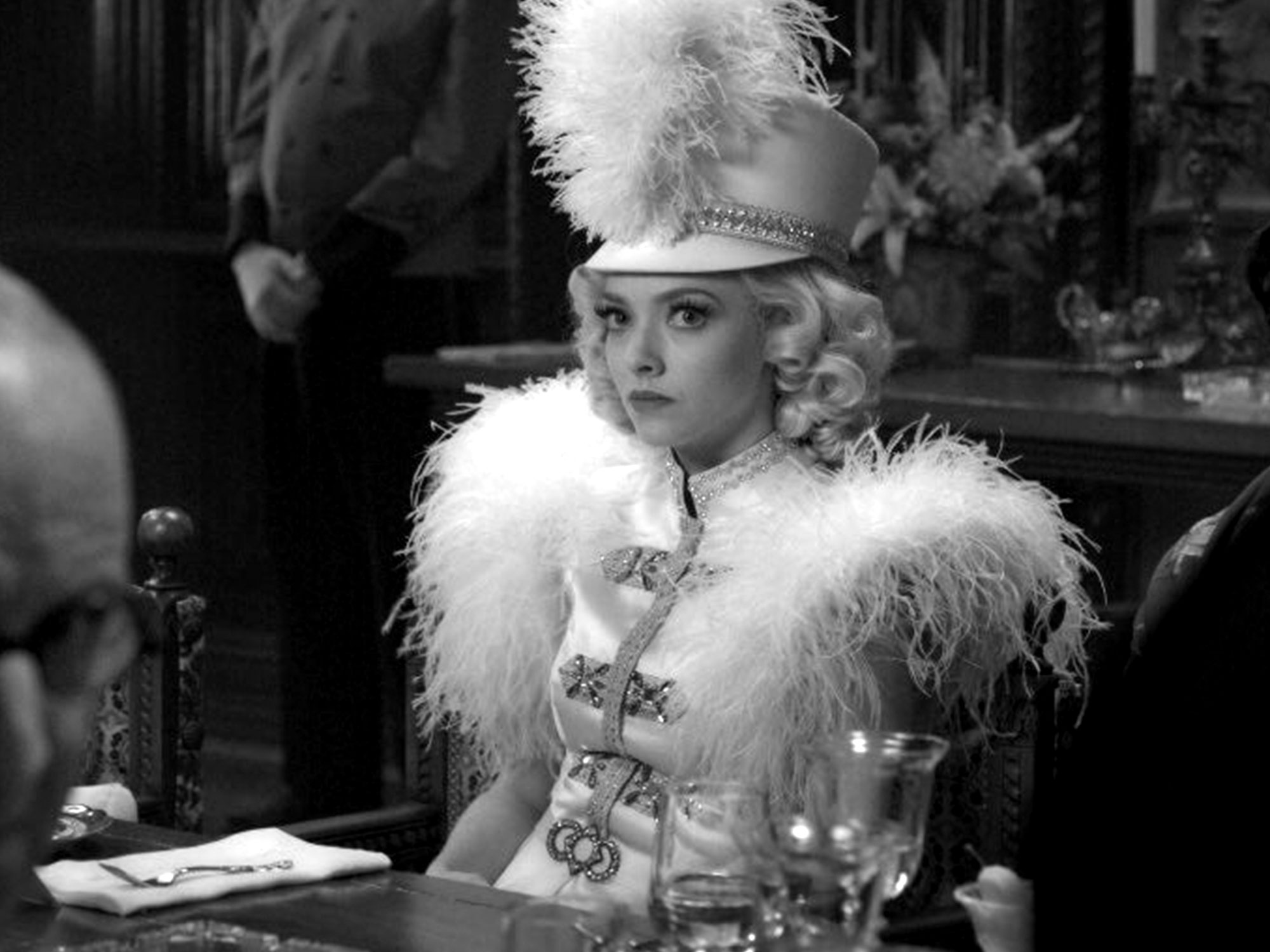
The elder Fincher wrote his screenplay all that time ago as a “retirement project” and based large chunks of it on Pauline Kael’s famous two-part 1971 New Yorker essay, Raising Kane, which itself purported to be the true story behind the making of the classic film, with great anecdotes s and scads of research to back it up.
However, over the years much of that article has, if not disproven, then heavily debated, though in no way does that make what’s contained in it any less true or false. As Ms. Kael herself admits at one point in her extremely long, yet never thoroughly engrossing account:
When you write straight reporting about the motion-picture business, you’re writing satire.

In fairness to Ms. Kael, because who would dare not be, (Note: Certainly not myself) in this quote she was referring not so much to the facts of her story but to the relationships between the suits/studios and the various creative artists (nee, the crazies, as she admiringly puts it) who worked for them and, often, were smarter than they were.
Of course, smarter does not necessarily mean savvier or better able to function in the real world. What Mank, Ms. Kael, both Finchers (Jack AND David), and even Orson Welles himself, all too painfully knew and demonstrate in their work is that you can have all the talent, best answers and most amusing bon mots in the world, and still not wind up on top.
On the other hand, neither will anyone else. Because NO ONE ultimately gets to be in the number one slot, whatever one deems that to be, all of the time. It depends where you enter their story and what you see as the end to that particular motion picture.

Legend has always had it that brash boy wonder egomaniac Welles was destroyed by the Hollywood moguls who resented his talent even as they fed on it.
But what we learn in Mank is that even though the former might have been true what also might be is that Welles’ ego was so large that even directing, producing and starring in Citizen Kane wasn’t enough for him. He demanded and ultimately received co-writing credit on a film in which he never wrote a word.
Conversely, Mank also lets us know that no writer really does it alone. Despite all the public denials in the world, legendary scribes like Mankiewicz, and even we lesser ones, WILL pilfer our truths from ANYONE while swearing up and down to EVERYONE else that it’s merely our imaginations that are Just. That. Good.

That’s what Mankiewicz (Note: Mank to his friends, most notably Marion Davies) did with the Kane/Hearst story, according to the Finchers, or at least according to the film they’ve just made about it.
In fact, his real life remembrances of Hearst and Davies, not to mention those of Hollywood moguls like Louis B. Mayer and Irving J. Thalberg, are the most intriguing sections of the Mank story.
We watch as he parties with them, works with them, gets sloppy drunk on their liquor, and gambles away the overly generous paychecks they offer, in part only for the mere presence of his wit and wisdom.

We also watch as he grows intellectually, morally and finally physically disgusted by who he realizes, in the events leading up to World War II, these people and himself truly are. Yet by this time it’s far too late to do much of anything lasting about it except for drinking. Or so he thinks. Until Orson Welles enters his life.
Which does not mean he ever stops drinking. It only means that in either a blatant, or pained act of revenge and/or justice, he can finally start writing. Again.
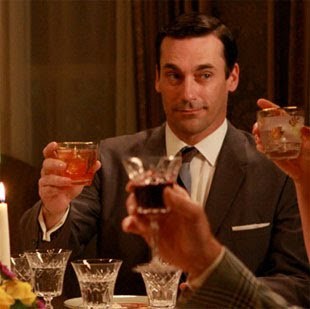
Like all Hollywood biopics, or historical stories based on real-life people and/or events, much will be made on what in Mank is false or simply approximates the truth.
But that’s an unanswerable, losing proposition and entirely misses the point of the film and the thousands of stories like it.
Anything may or may not seem real onscreen, on the stage or in the pages of a book or even newspaper, but the fact is that none of it absolutely is.
It’s how those facts are arranged, and what they tell us about ourselves, the characters we’re watching and reading, AND the folks who made them up.
That’s where the real truth lies, if there is any to be had at all.
If Only You Could Save Me – Adryon de León (from Mank soundtrack)






 notes from a chair